
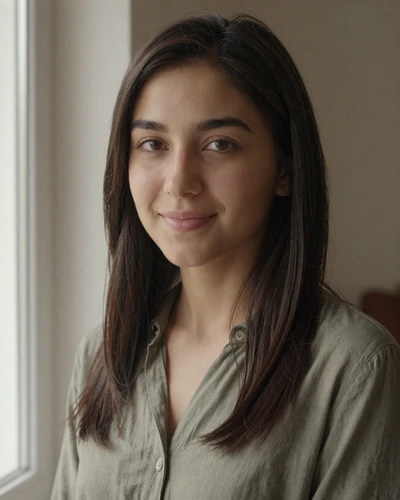
Uzbek Singles Ready for Meaningful Connections
Browse verified profiles of Uzbek women seeking genuine, long-term relationships with American men who value family, hospitality, and cultural depth.
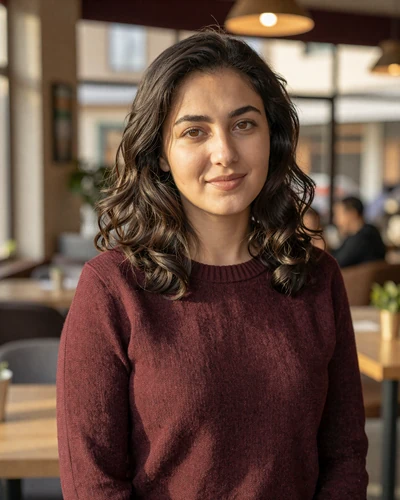
Gulnara Rashidova
Start Chat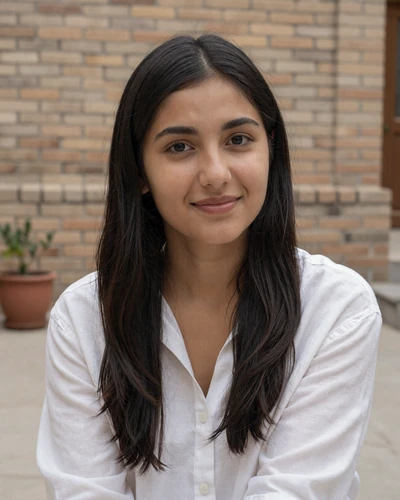
Dilnoza Usmanova
Start Chat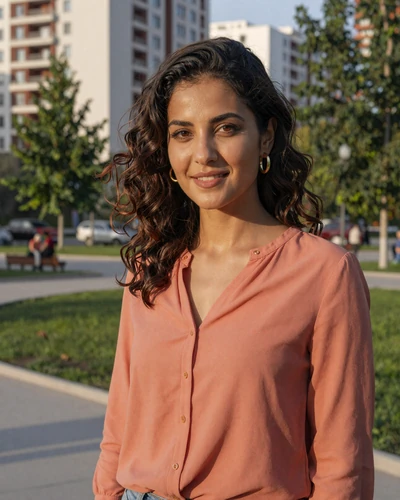
Shahlo Mirzayeva
Start Chat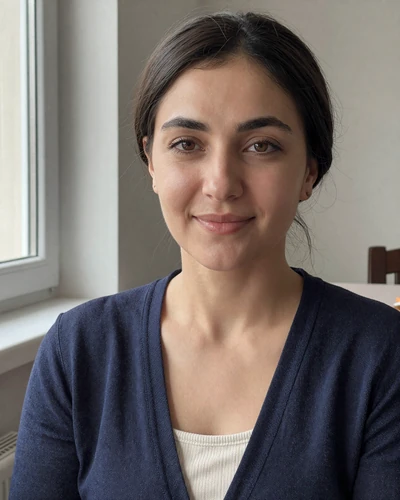
Zarina Abdullayeva
Start Chat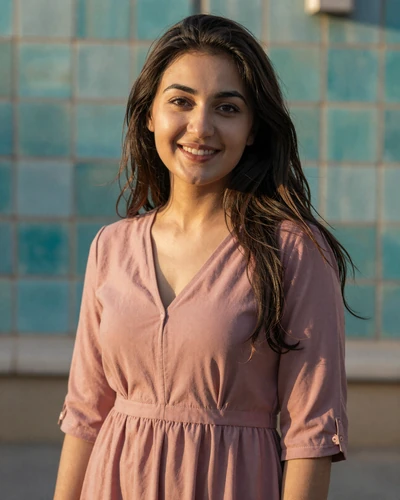
Malika Nazarova
Start Chat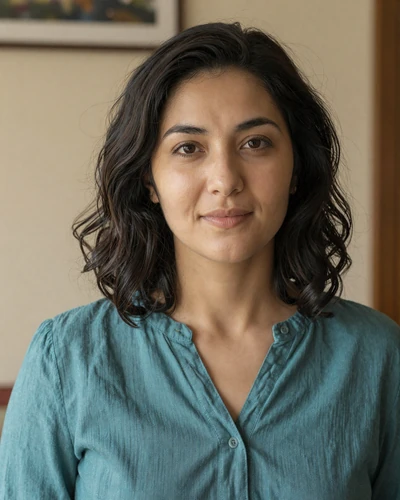
Kamola Tursunova
Start Chat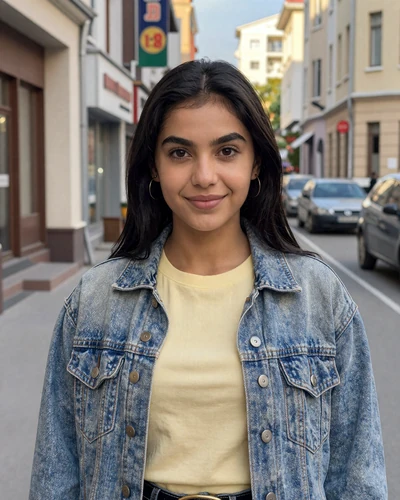
Feruza Ismoilova
Start ChatWhy Uzbek Women Captivate American Men Seeking Love
Uzbek women dating opens a gateway to one of Central Asia's most culturally magnificent civilizations. Uzbekistan - the geographic heart of the ancient Silk Road - has been a crossroads of Persian, Turkic, Mongol, and Russian influences for over two millennia, producing women whose beauty, warmth, and family devotion are legendary throughout the region. In 2026, Uzbekistan's population of approximately 36 million is one of the youngest and fastest-growing in Central Asia, and the country's rapid modernization under economic reforms has created a new generation of educated, globally connected Uzbek women who are increasingly open to cross-cultural relationships with American men who value substance, loyalty, and genuine partnership.
What distinguishes Uzbek women in the international dating landscape is a rare fusion of striking physical beauty - shaped by centuries of genetic diversity along the Silk Road's east-west corridor - and a deeply ingrained culture of hospitality that transforms every relationship into a warm, nurturing experience. The Uzbek concept of mehmon-navozlik (guest reverence) means that caring for loved ones is not just a social obligation but a source of personal pride and spiritual fulfillment. An Uzbek woman views her home as a sanctuary, her cooking as an art form, and her partner's happiness as a direct reflection of her own character. For American men exhausted by transactional dating dynamics, an Uzbek partner offers a refreshingly authentic connection rooted in generosity, respect, and enduring commitment.
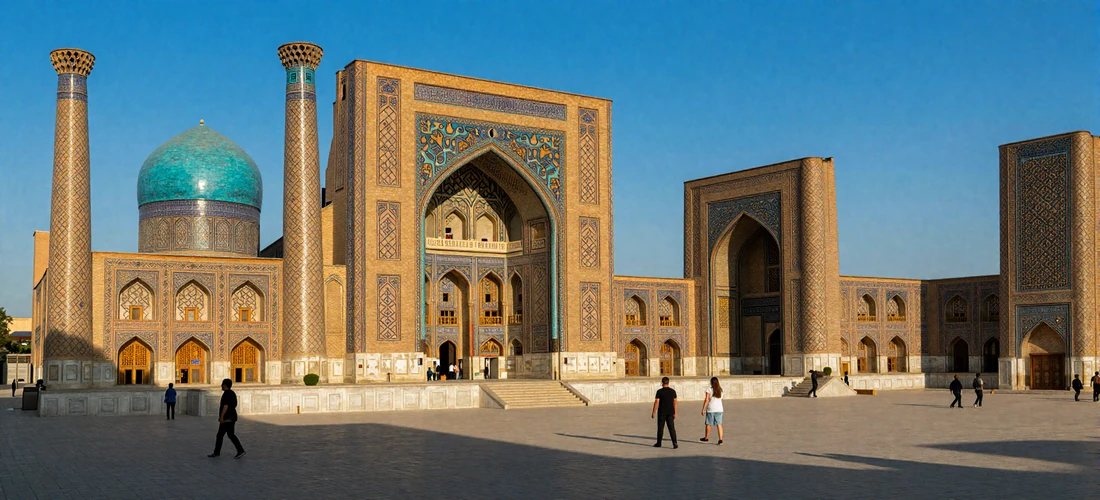
Uzbekistan's cultural identity is inseparable from the Silk Road - the network of ancient trade routes that connected China to Rome and passed directly through the legendary cities of Samarkand, Bukhara, and Khiva. These cities were once the intellectual and artistic capitals of the Islamic world, home to scholars like Al-Khorezmi (the father of algebra), astronomers like Ulugh Beg, and poets like Alisher Navoi, considered the founder of Uzbek literature. Uzbek women carry this heritage not as distant history but as living tradition - expressed in their mastery of intricate textile arts, their passion for poetry and music, and their deep respect for knowledge and education.
The Uzbek diaspora, while smaller than some Central Asian communities, has established growing presences in the United States - particularly in New York City (especially Brooklyn and Queens), the greater Washington DC area, and Chicago. These communities maintain strong cultural ties through mosques, Navruz celebrations, and informal networks that keep the traditions of Uzbek hospitality alive in an American context. Whether you connect with an Uzbek woman through diaspora channels or build a relationship with someone in Tashkent, Samarkand, or Bukhara, understanding the profound role that Silk Road heritage, Islamic values, and family honor play in Uzbek life is your foundation for a successful partnership. Men who appreciate the cultural depth of Central Asian relationships often discover equally compelling connections through Kazakh women dating, where the blend of nomadic heritage and modern sophistication creates a complementary dynamic.
Silk Road Heritage and Uzbek Family Values
Islamic Traditions as a Spiritual Foundation
Islam arrived in Central Asia in the 7th and 8th centuries and has shaped Uzbek identity for over 1,300 years. Approximately 90% of Uzbekistan's population is Muslim, predominantly Sunni of the Hanafi school - known for its relatively moderate and pragmatic interpretation of Islamic law. Uzbek Islam is distinct from its expression in Arab or South Asian cultures; it blends orthodox practice with local Sufi mysticism, Silk Road cosmopolitanism, and a deeply ingrained tradition of religious tolerance that dates to the Timurid era.
For Uzbek women, faith provides a moral compass that values modesty, family loyalty, respect for elders, and personal discipline - without the rigid social restrictions sometimes associated with Islam in other regions. An Uzbek woman observes Ramadan fasting, celebrates Eid with elaborate family feasts, and considers Islamic principles when making life decisions about marriage and family. However, Uzbek society is officially secular, and many urban Uzbek women balance their faith with professional careers, university education, and a cosmopolitan worldview. Understanding and respecting her spiritual foundation - without expecting either strict conservatism or casual dismissal of faith - demonstrates the cultural maturity that Uzbek women seek in a partner.
Mehmon-Navozlik: The Sacred Art of Uzbek Hospitality
Uzbek hospitality is not a social courtesy - it is a cultural institution elevated to an art form over centuries of Silk Road caravansary culture. The word mehmon-navozlik translates roughly as "guest reverence," and in practice it means that every visitor to an Uzbek home is treated as a gift from God. The dastarkhan (feast cloth) is the centerpiece of this tradition - a lavish spread of food, tea, dried fruits, nuts, and sweets arranged with meticulous care, regardless of the family's economic circumstances. Refusing food or eating sparingly is considered deeply disrespectful. Eating heartily, complimenting the cook, and accepting multiple servings demonstrates the appreciation that earns genuine acceptance.
- Plov (osh): The national dish and crown jewel of Uzbek cuisine - slow-cooked pilaf of rice, lamb, carrots, chickpeas, and spices prepared in a massive cast-iron kazan over an open flame, each region boasting its own distinctive variation
- Samsa: Flaky pastry parcels filled with seasoned lamb and onions, baked in a tandoor clay oven until golden - a beloved street food and household staple served at every gathering
- Non (bread): Round, intricately stamped flatbread baked in a tandoor - breaking bread together is the most sacred expression of Uzbek hospitality and signifies friendship and trust
- Shashlik: Marinated lamb or beef kebabs grilled over charcoal - the aroma that fills Uzbek bazaars and backyards during family celebrations
- Green tea (ko'k choy): Served in delicate porcelain piala bowls - the ritual of pouring tea, filling only halfway (a sign of respect that invites frequent refills and extended conversation), anchors every social interaction
- Sumalak: A ceremonial wheat germ paste slow-stirred for 24 hours during Navruz celebrations - its communal preparation symbolizes renewal, unity, and the collective spirit of Uzbek culture
Navruz: The Celebration That Reveals the Uzbek Soul
Navruz (Persian New Year, celebrated on March 21) is the most important holiday in Uzbekistan - a two-week festival of renewal that predates Islam and has been celebrated continuously for over 3,000 years. Families deep-clean their homes, prepare sumalak together through the night, visit relatives, forgive old grievances, and celebrate with music, dancing, and elaborate feasts. Navruz reveals everything you need to understand about Uzbek values: the importance of family unity, the joy of communal celebration, respect for seasonal cycles and nature, and the belief that generosity and forgiveness are the foundations of a good life. Attending a Navruz celebration with your Uzbek partner's family is one of the most meaningful ways to demonstrate your respect for her heritage.
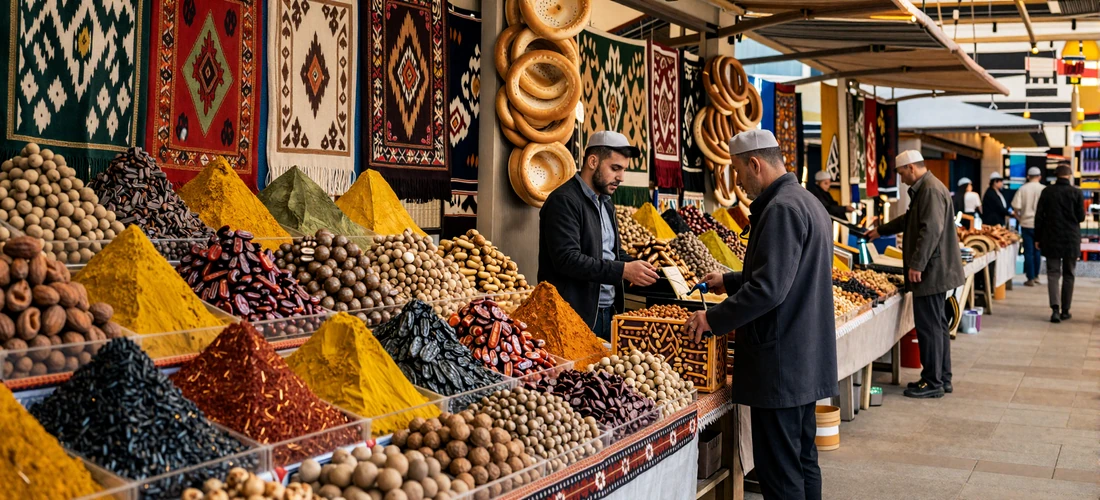
Ikat Weaving and the Beauty Tradition
Uzbekistan is the global center of ikat textile production - the stunning tie-dye silk fabrics with bold, blurred geometric patterns in vivid blues, reds, yellows, and greens that have been prized along the Silk Road for centuries. An Uzbek woman's relationship with textiles runs deep: many learn traditional embroidery (suzani) from their mothers and grandmothers, creating elaborate wall hangings and household decorations that are considered essential elements of a respectable home. The suzani tradition - where a bride spends years embroidering a magnificent textile that she brings to her marriage - symbolizes the patience, artistry, and devotion that Uzbek women apply to building their family life. These artistic traditions connect naturally with the craft heritage celebrated in Tajik women dating, where shared Persian cultural roots produce women with similarly rich artistic and domestic traditions.
Uzbek Marriage Traditions - From Matchmaking to Wedding Day
Uzbek weddings are among the most elaborate and joyful celebrations in all of Central Asia - multi-day affairs that involve entire communities and follow customs perfected over centuries. Understanding these traditions is essential for any American man serious about building a life with an Uzbek woman. These are not formalities to endure but rich cultural expressions that reveal the values at the heart of Uzbek society: family unity, community celebration, and the sacredness of the marriage commitment.
The Role of Family in Uzbek Courtship
In Uzbek culture, marriage is fundamentally a union of two families. The courtship process traditionally begins with the groom's family initiating contact through a respected intermediary - often a female elder called a sovchi (matchmaker) - who visits the bride's family to assess compatibility and express the groom's intentions. While modern urban Uzbek couples increasingly meet through university, work, or social circles, the formal involvement of families remains non-negotiable. Her parents - particularly her father - hold decisive authority, and earning their respect through demonstrated character, financial stability, and genuine interest in Uzbek traditions is the critical first step.
Her mother's role is equally influential. In Uzbek households, mothers are the emotional architects of family decisions. A thoughtful first impression with her mother - bringing quality sweets, dried fruits, or small household gifts - and demonstrating genuine curiosity about Uzbek cooking traditions creates a powerful ally. When her mother speaks favorably about you to the extended family, the path to marriage becomes significantly smoother.
Fatiha-Tui: The Sacred Engagement Ceremony
The Fatiha-tui is the formal engagement ceremony that marks the official beginning of the marriage process. The groom's family visits the bride's home with gifts - typically including fabric, sweets, and sometimes gold jewelry - and an imam recites the Fatiha prayer (the opening chapter of the Quran) to bless the union. Once the Fatiha is recited and accepted by both families, the engagement is considered binding. Following this ceremony, the families begin planning the wedding, negotiating the kalym, and preparing the bride's dowry (including the all-important suzani textiles, household goods, and personal items she will bring to her new home).
Kalym and Financial Expectations
The kalym (bride price) is a payment from the groom's family to the bride's family that traditionally compensates for the "loss" of the daughter from her natal household. In modern Uzbekistan, kalym customs vary significantly by region and social class. In rural areas, kalym can be substantial - equivalent to $3,000 to $15,000 or more depending on the family's social standing. In urban Tashkent, some educated families have moved away from formal kalym toward more symbolic exchanges. For cross-cultural marriages with American men, the expectations are typically negotiated openly and may differ from traditional patterns. The key is approaching the conversation with respect, understanding that kalym represents family honor and the value placed on the bride, and working collaboratively with her family to find a culturally appropriate arrangement.
- Sovchi visit: The matchmaker visits the bride's family to initiate formal discussions - the first step in a structured courtship process that demonstrates serious intent
- Fatiha-tui: The engagement ceremony where the imam recites the Fatiha prayer and families exchange gifts - this marks the official commitment
- Kalym negotiation: The bride price is discussed and agreed upon by both families - amounts and forms vary by region, social status, and family preference
- Nikoh (nikah): The Islamic marriage ceremony conducted by an imam - the bride is asked for her consent, and the marriage contract is formally registered
- Kelin tushish: The bride's arrival at the groom's family home - she crosses the threshold for the first time and is welcomed with rituals of blessing and abundance
- Wedding feast (to'y): A massive celebration often hosting 300 to 500+ guests with mountains of plov, music, dancing, and entertainment lasting the entire day
"The wedding planning was overwhelming at first - so many traditions, so many guests, so much food! But Gulnara's family guided me through every step with patience and warmth. The moment I saw 400 people celebrating our union with that incredible plov feast, I understood why Uzbek families invest so much in their weddings. It wasn't a party - it was a community declaring that our love matters." - Robert, 44, Seattle
Modern Dating in Tashkent - How Young Uzbek Women Find Love
Tashkent, Uzbekistan's capital and largest city with a population exceeding 2.8 million, has undergone a remarkable transformation since the economic reforms that began accelerating in 2017. The city combines Soviet-era grand boulevards with gleaming new business districts, international restaurants, and a growing tech startup scene. For young Uzbek women, this modernization has expanded educational and professional opportunities dramatically - university enrollment among women has risen steadily, and women now occupy visible roles in business, education, medicine, and the arts. This new generation of Uzbek women balances traditional family expectations with professional ambitions and an openness to the wider world that makes cross-cultural dating increasingly natural.
Online dating in Uzbekistan has grown significantly in recent years, driven by smartphone penetration rates exceeding 75% in urban areas and a population where over 60% are under age 30. While mainstream Western dating apps have limited presence, verified international dating platforms that emphasize serious relationship intent are gaining traction among Uzbek women who are open to meeting foreign partners. When creating your profile for Uzbek women dating, emphasize stability, family values, cultural curiosity, and your willingness to learn about Uzbek traditions. Mention specific aspects of Uzbek culture that resonate with you - the beauty of Samarkand's architecture, your interest in trying authentic plov, or your desire to learn basic Uzbek phrases. These signals separate you from casual browsers and attract women who are genuinely seeking a cross-cultural partnership.
Beyond Tashkent, the cities of Samarkand, Bukhara, and Fergana each have their own distinct character and dating cultures. Samarkand women tend to be deeply proud of their city's status as one of the oldest continuously inhabited cities in Central Asia and carry a refined cultural sophistication. Bukhara women bring a more conservative, traditional outlook shaped by the city's role as a historic center of Islamic scholarship. Fergana Valley women are known for their warmth, directness, and strong community bonds. Understanding these regional differences helps you connect more authentically with your Uzbek match. The regional cultural variation in Uzbekistan parallels the diversity found in Kyrgyz women dating, where mountain heritage and valley traditions create equally distinct personality profiles among women from different parts of Kyrgyzstan.
Immigration Note for Uzbek Partners: The K-1 fiancée visa process for Uzbek nationals involves filing Form I-129F with USCIS. The consular interview is conducted at the US Embassy in Tashkent, which maintains regular visa processing operations. Processing times in 2026 average 14 to 20 months from initial filing to visa issuance. Total costs range from $6,000 to $12,000 including filing fees, legal assistance, travel for the interview, medical examination, and document translation and authentication. Uzbekistan requires that foreign marriage documents be apostilled and translated into Uzbek for local recognition. Consulting an immigration attorney experienced with Central Asian cases is recommended. The growing Uzbek-American community provides helpful support networks for new arrivals adjusting to life in the United States.
Building trust with an Uzbek woman follows a pattern shaped by cultural values of patience, consistency, and demonstrated respect for her family. Regular video calls at agreed-upon times, following through on every commitment, and engaging respectfully with her family members during conversations build the credibility that Uzbek relationships require. When her father offers to join a video call, welcome his participation - it signals that her family takes your relationship seriously enough to invest their attention. The moment her parents address you warmly by name, you have crossed a meaningful threshold of acceptance. Similar patterns of family-centered trust building apply across Central Asia, and men drawn to this approach often explore Turkmen women dating where tribal traditions and family honor create equally structured but deeply rewarding courtship dynamics.
What Makes Uzbek Women Outstanding Partners
Uzbek women bring a distinctive combination of Silk Road beauty, cultural depth, and family devotion that creates extraordinary partnerships. This overview highlights the qualities American men consistently celebrate in their Uzbek partners.
| Quality | How It Manifests | Why It Matters in a Partnership |
|---|---|---|
| Silk Road Beauty | Centuries of genetic diversity along trade routes created striking features - dark expressive eyes, olive complexion, and elegant bearing | Her beauty is natural and authentic, aging gracefully with a confidence rooted in cultural pride rather than cosmetic trends |
| Legendary Hospitality | Mehmon-navozlik transforms every gathering into a feast - your home becomes a warm sanctuary of generosity and connection | Your social life thrives as friends and family experience the warmth of an Uzbek-inspired household |
| Culinary Mastery | Plov, samsa, manty, shashlik - she carries centuries-old recipes perfected across generations of family cooking tradition | Shared meals become cultural celebrations that deepen your bond and create cherished family rituals |
| Family Devotion | Children receive constant nurturing attention, elders are treated with deep respect, and extended family bonds are maintained with care | Your children grow up in a secure environment with strong cultural identity and intergenerational connection |
| Education and Ambition | Uzbekistan's expanding education system produces women who value knowledge, speak multiple languages, and pursue meaningful careers | Your partner brings intellectual curiosity, professional capability, and a drive for continuous growth to your partnership |
| Artistic Heritage | Ikat weaving, suzani embroidery, music, and poetry are woven into daily life - creativity is a natural expression | Your home becomes infused with beauty, craftsmanship, and the rich aesthetic tradition of the Silk Road |
Uzbek Dating at a Glance
| Detail | Information |
|---|---|
| Population | ~36 million (largest population in Central Asia) |
| Official Language | Uzbek (Turkic language) - Russian widely spoken as second language, English growing among youth |
| Dominant Religion | Islam (~90% - predominantly Sunni Hanafi, with Sufi mystical traditions) |
| Major Cities | Tashkent (capital, 2.8M), Samarkand, Bukhara, Namangan, Fergana, Khiva |
| Key Cultural Heritage | Silk Road history, Registan Square, ikat textiles, plov cuisine, Navruz celebrations |
| K-1 Visa Processing | 14-20 months (interview at US Embassy in Tashkent) |
| Estimated K-1 Cost | $6,000-$12,000 including legal fees, travel, medical exam, document translation |
| Famous Uzbek Heritage | Al-Khorezmi (algebra), Ulugh Beg (astronomy), Alisher Navoi (literature), Amir Timur (Tamerlane) |
| Median Age | ~28 years - one of the youngest populations in Central Asia |
Uzbek women combine ancient cultural wisdom with modern ambition and warmth. For American men willing to approach Uzbek dating with genuine respect, cultural curiosity, and patient commitment to earning her family's trust, the reward is a partnership of extraordinary depth - built on legendary hospitality, sustained by Silk Road heritage, and enriched by one of Central Asia's most vibrant and welcoming cultures.
Frequently Asked Questions About Uzbek Women Dating
English proficiency among Uzbek women is growing, particularly among younger women in Tashkent and other major cities, where English language education has expanded significantly in recent years. Many university-educated Uzbek women have conversational English skills. Russian remains the most common second language, spoken fluently by the majority of the population. For initial communication, our platform offers translation assistance. Learning a few basic Uzbek phrases like Salom (hello) and Rahmat (thank you) demonstrates respect and earns immediate warmth from your Uzbek match and her family.
Islam plays a meaningful role in Uzbek identity and daily life, though Uzbekistan is officially a secular state. Most Uzbek women observe Ramadan, celebrate Eid, and consider Islamic values when making decisions about marriage and family. However, Uzbek Islam - influenced by Sufi mysticism and Silk Road cosmopolitanism - tends to be more moderate than in some other Muslim-majority countries. Expectations around a partner religious identity vary by family. Some traditional families expect conversion to Islam before marriage, while urban and progressive families may be more flexible, requiring sincere respect for Islamic traditions rather than formal conversion.
The kalym is a traditional bride price paid by the groom family to the bride family. In modern Uzbekistan, the custom varies significantly by region and family background. Rural families may expect kalym equivalent to $3,000 to $15,000, while some educated urban families in Tashkent have moved toward more symbolic exchanges. For cross-cultural marriages with American men, kalym expectations are typically negotiated openly. The key is approaching the discussion with respect and understanding that kalym represents the value and honor the bride family places on their daughter, not a commercial transaction.
The K-1 fiancée visa process begins with filing Form I-129F with USCIS. The consular interview for Uzbek nationals is conducted at the US Embassy in Tashkent, which maintains regular visa processing. Processing times average 14 to 20 months from filing to visa issuance. You must have met in person within the past two years and provide evidence of a genuine relationship. Total costs range from $6,000 to $12,000 including filing fees, legal assistance, medical examination, and document translation. Consulting an immigration attorney experienced with Central Asian cases helps navigate the specific requirements.
Family involvement is central to Uzbek dating and marriage. Marriage is viewed as a union between two families, not just two individuals. The courtship process traditionally involves a sovchi (matchmaker) and requires formal approval from her parents, particularly her father. Her mother influence behind the scenes is equally decisive. Earning family respect through demonstrated character, financial stability, and genuine interest in Uzbek traditions is essential. While modern urban couples increasingly meet independently, the formal family involvement in the marriage process remains non-negotiable across most of Uzbek society.
Uzbek weddings are among the most elaborate celebrations in Central Asia, often hosting 300 to 500 or more guests. The festivities begin with the Fatiha-tui engagement ceremony and culminate in a massive wedding feast called a to y. The centerpiece is mountains of plov cooked in enormous kazan pots over open flames, accompanied by music, dancing, and entertainment lasting an entire day. The bride arrival at the groom family home (kelin tushish) involves rituals of blessing and abundance. Wedding costs are substantial and shared between both families - expect total celebrations to cost between $5,000 and $20,000 or more depending on family social status.
Show genuine interest in Uzbek culture by learning about Silk Road history, trying Uzbek food with enthusiasm, and learning basic Uzbek greetings. When visiting her home, bring quality sweets, dried fruits, or small household gifts for her mother. Eat generously when offered food - eating sparingly is considered disrespectful. Dress neatly and conservatively when meeting family. Demonstrate financial stability and clear intentions about the future. Show respect for Islamic traditions even if you are not Muslim. Above all, display patience with the structured courtship process - rushing signals disrespect, while patience demonstrates the serious commitment Uzbek families value.
Yes, the Uzbek-American community is growing, with notable concentrations in New York City particularly Brooklyn and Queens, the greater Washington DC area, and Chicago. These communities maintain cultural identity through mosques, Navruz celebrations, cultural associations, and informal social networks. Uzbek restaurants and grocery stores in these areas provide gathering points for the diaspora. The community is relatively tight-knit and welcoming, offering valuable cultural bridge resources for American men in cross-cultural relationships with Uzbek women. Community events and cultural celebrations provide excellent opportunities to demonstrate your commitment to understanding your partner heritage.
Begin Your Uzbek Dating Journey
Create your free profile in under 2 minutes and connect with verified Uzbek women ready for a meaningful, lasting relationship.
Join Free Now