
Bruneian Singles Ready to Find Their Match
Browse verified profiles of Bruneian women looking for genuine, long-term relationships with American men who value family, faith, and cultural respect.
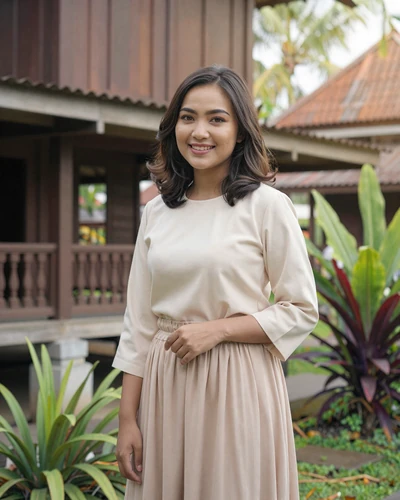
Hajah Aminah
Start Chat
Nurul Izzah
Start Chat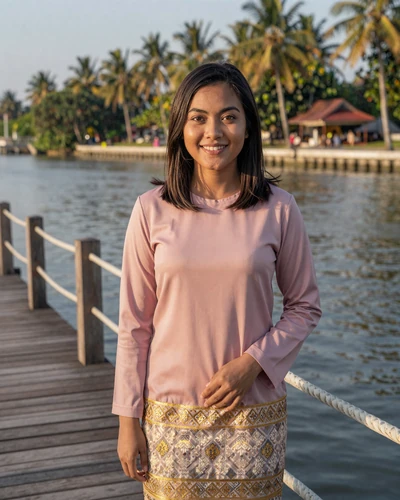
Azizah Hasan
Start Chat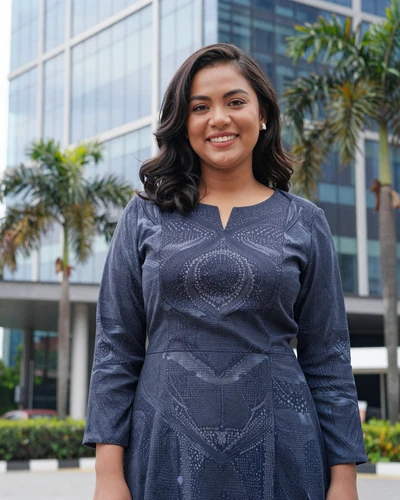
Faridah Rahman
Start Chat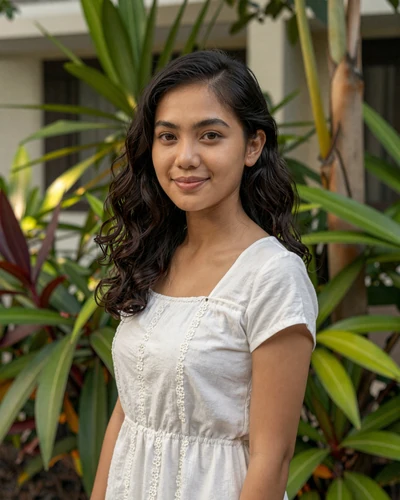
Norasyikin Yusof
Start Chat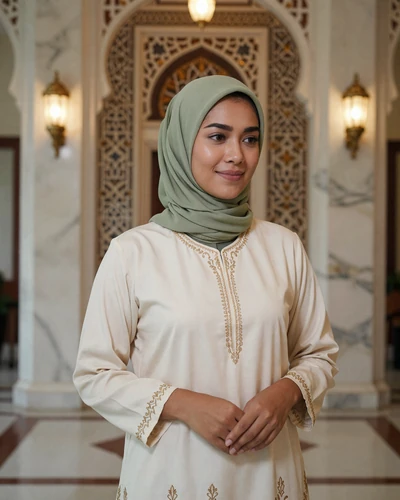
Dk Mariam
Start Chat
Wirdatul Akmam
Start ChatWhy Bruneian Women Make Devoted Partners
Bruneian women dating introduces American men to women raised in one of the most prosperous, stable, and culturally distinctive nations in all of Southeast Asia. Brunei Darussalam - a tiny oil-rich sultanate on the northern coast of Borneo - is home to approximately 450,000 people who enjoy one of the highest per-capita incomes in the world, free education through university, free healthcare, subsidized housing, and no personal income tax. This extraordinary national wealth, combined with the guiding philosophy of Melayu Islam Beraja (MIB) - Malay Islamic Monarchy - has produced women who are well-educated, financially secure, deeply family-oriented, and grounded in Islamic values that prioritize modesty, loyalty, and genuine human connection over materialism.
What sets Bruneian women apart from their regional neighbors is the unique cultural environment in which they have been raised. Unlike the bustling megacities of neighboring Malaysia or the sprawling archipelago diversity of Indonesia, Brunei is small, intimate, and tightly knit. Everyone knows everyone. Family reputation matters enormously. A Bruneian woman grows up in a community where her behavior, her education, her faith, and her choice of partner are observed and evaluated by an extended network of relatives, neighbors, and community elders. This social fabric produces women of remarkable character - women who are honest, dependable, and deeply committed to building a family life that honors both their heritage and their partner's values.
Brunei's education system, fully funded by the government, produces women who are among the most educated in Southeast Asia. The University of Brunei Darussalam and Institut Teknologi Brunei have produced generations of female graduates in engineering, medicine, business, and Islamic studies. In fact, women outnumber men in Bruneian universities. Yet this academic achievement exists in harmony with - not in opposition to - traditional Malay values of family devotion, respect for elders, and the central role of Islamic faith in daily life. A Bruneian woman can hold a master's degree in petroleum engineering and still prepare a traditional ambuyat dinner for her family with the same sense of joy and purpose. This balance between modern achievement and cultural rootedness is what makes Bruneian women such compelling partners for American men seeking substance, warmth, and genuine commitment.
The Bruneian approach to relationships is intentional and serious. Casual dating culture is virtually nonexistent in Brunei. When a Bruneian woman engages with a potential partner, she does so with marriage as the understood goal. Her family will be involved from early stages, and the courtship process - while increasingly facilitated by technology - retains the structured, respectful pace that has characterized Malay courtship for centuries. For American men tired of the ambiguity and game-playing that defines much of Western dating culture, Bruneian women offer refreshing clarity: if she is talking to you seriously, she is evaluating you as a potential life partner, not a casual distraction.
Malay Islamic Monarchy - Understanding Bruneian Culture
MIB: The Three Pillars That Shape Every Bruneian Woman
Melayu Islam Beraja (MIB) - translated as Malay Islamic Monarchy - is not merely a political slogan. It is the national philosophy that permeates every aspect of Bruneian life, from education curricula and government policy to family structure and personal identity. Understanding MIB is essential for any American man serious about Bruneian women dating, because it is the cultural lens through which your relationship, your character, and your intentions will be evaluated by her, her family, and her community.
- Melayu (Malay Identity): Bruneian culture is rooted in Malay traditions of hospitality, communal harmony, and respect for hierarchy - the concepts of adat (custom) and budi bahasa (refined conduct) govern social interactions and relationship etiquette
- Islam: Brunei follows the Shafi'i school of Sunni Islam, and Islamic principles shape daily routines including five daily prayers, halal dietary requirements, Ramadan fasting, modest dress codes, and the Islamic framework for marriage and family life
- Beraja (Monarchy): The Sultan of Brunei, His Majesty Sultan Hassanal Bolkiah, is both head of state and religious leader - the monarchy provides stability, national identity, and a paternalistic governance model that Bruneians deeply respect
For a Bruneian woman, MIB is not an abstract concept - it is the air she breathes. Her Malay identity gives her a sense of communal belonging and social grace. Her Islamic faith provides moral guidance, spiritual comfort, and the framework for her most important life decisions. Her respect for the monarchy connects her to national pride and a sense of order. When she introduces you to her world, she is inviting you to understand and respect all three pillars - not adopt them wholesale, but honor them as the foundations of who she is.
Islamic Family Law and Its Influence on Relationships
Brunei operates a dual legal system - civil law for secular matters and Sharia law for Muslim family affairs. For relationships involving Bruneian Muslim women, Sharia law governs marriage, divorce, inheritance, and custody. The practical implications for an American man pursuing a relationship with a Bruneian woman are significant: marriage to a Muslim Bruneian woman requires the man to be Muslim or to convert to Islam before the nikah (Islamic marriage contract) can be performed. This is not merely a cultural preference - it is a legal requirement under Bruneian law.
The conversion process in Brunei is structured and supported. The Religious Affairs Ministry oversees conversions, which include Islamic education classes covering the fundamentals of faith, prayer, and daily practice. Bruneian families generally respond warmly to men who approach conversion with sincerity and genuine interest in learning, rather than treating it as a bureaucratic formality. The process typically takes three to six months and is viewed by her family as one of the most meaningful demonstrations of your commitment to their daughter and their way of life.
Traditional Malay Customs and Social Etiquette
Beyond Islamic practice, Bruneian social life is shaped by adat Melayu - traditional Malay customs that dictate everything from how guests are received to how respect is shown to elders. When visiting a Bruneian home, remove your shoes at the door, accept food and drink with your right hand, and avoid pointing the soles of your feet toward anyone. Physical affection between unmarried couples in public is strictly avoided. Addressing her parents with formal Malay titles (Ayahanda for father, Bonda for mother) demonstrates cultural awareness that will be noticed and appreciated.
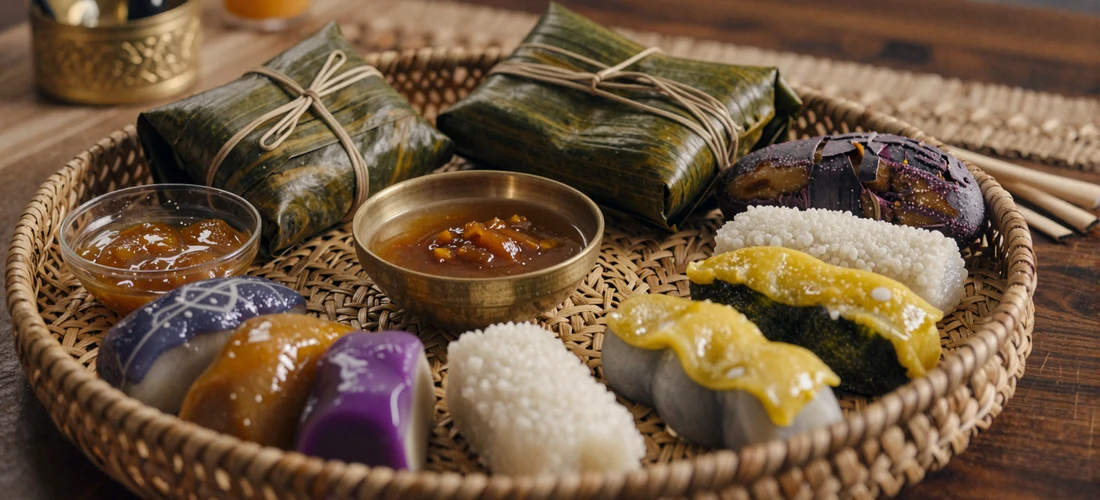
Bruneian cuisine reflects the nation's unique cultural position. The national dish, ambuyat - a starchy, glue-like staple made from sago palm - is eaten communally with bamboo chopsticks and dipped into a variety of flavorful sauces. Nasi katok (rice with fried chicken and sambal) is the beloved everyday comfort food. Kuih-muih (traditional Malay sweets) accompany every family gathering. Sharing these foods with her family is an act of cultural participation that builds trust and connection far more effectively than any grand romantic gesture.
- Ambuyat: Brunei's national dish - a sago-based starchy food eaten communally with bamboo chopsticks and dipped into savory sauces of fish, meat, or vegetables
- Nasi katok: The everyday staple - fragrant rice with crispy fried chicken and spicy sambal, wrapped in banana leaf and available at every corner stall
- Kelupis: Glutinous rice wrapped in nyirik leaves and steamed - a festive food served during Hari Raya celebrations and family gatherings
- Kuih-muih: Colorful traditional Malay sweets made from coconut, pandan, glutinous rice, and palm sugar - essential at every social occasion
- Teh tarik: "Pulled tea" - sweet milky tea poured dramatically between two cups to create a frothy top, served at every gathering as a sign of welcome
The cultural parallels between Brunei and its neighbors create natural connections for men exploring Southeast Asian dating. The shared Malay heritage with Malaysian women means similar customs around hospitality and family, while the Islamic foundations mirror the values found in Maldivian women dating, where island Muslim culture also shapes relationship expectations.
Bruneian Marriage Customs and Family Protocols
Bruneian marriage traditions are a beautiful synthesis of Malay adat (custom) and Islamic religious law, refined over centuries in a society where family honor and communal harmony are paramount. For American men pursuing Bruneian women dating, understanding these traditions is not optional - it is the pathway to earning the trust and blessing of her family, which is the single most important factor in the success of your relationship.
The Merisik Tradition - The Discreet First Inquiry
The traditional Bruneian courtship process begins with merisik - a discreet, informal visit by the man's family to the woman's home to assess mutual compatibility. This visit, disguised as a casual social call, allows both families to evaluate each other's character, social standing, and family reputation without the pressure of a formal proposal. In modern Brunei, merisik has evolved - it may now involve a family friend acting as an intermediary or even a structured introduction arranged after initial online communication - but the principle remains unchanged: the relationship must pass family scrutiny before it can progress.
The Formal Engagement Process
If the merisik is favorable, the process moves to meminang - the formal proposal. The groom's family sends a delegation of respected elders to the bride's home with hantaran (ceremonial gift trays) containing betel nut arrangements, fabrics, jewelry, and sweets. The number and quality of hantaran reflect the groom's family's respect and financial commitment. Her family responds with their own hantaran, and the negotiation of mas kahwin (Islamic dowry paid to the bride) and belanja hangus (wedding expenses contribution) takes place.
- Merisik: The discreet preliminary inquiry - families assess compatibility through informal visits before any formal proposal is made
- Meminang: The formal proposal ceremony - the groom's family sends a delegation with ceremonial gift trays to request the bride's hand in marriage
- Hantaran: Elaborately decorated gift trays exchanged between families - typically numbering 5, 7, 9, or 11 (always odd numbers for good fortune), containing fabrics, perfumes, jewelry, and sweets
- Mas kahwin: The Islamic marriage dowry paid directly to the bride - a mandatory element under both Islamic law and Bruneian tradition, representing the groom's commitment to her financial security
- Nikah ceremony: The Islamic marriage contract performed by a religious official (kadi) with witnesses - the bride's explicit consent is asked and recorded, and the marriage is legally registered with the Religious Affairs Department
- Bersanding: The grand wedding reception where the couple sits enthroned on a decorated dais (pelamin) - guests pay respects, offer blessings, and celebrate with a lavish feast
Navigating Mas Kahwin and Financial Expectations
The mas kahwin in Brunei is typically modest by regional standards - often set at BND $1 to $300 (approximately USD $0.75 to $225) as the Islamic minimum - but the belanja hangus (wedding expenses and contributions to the bride's family) and hantaran can be more substantial. Bruneian families, given the nation's wealth, generally do not approach marriage as a financial transaction. The emphasis is on sincerity, character, and demonstrated respect for their daughter and their traditions. An American man who approaches the financial aspects of Bruneian marriage with humility, generosity, and genuine understanding of their cultural significance will find that Bruneian families are remarkably warm and welcoming once trust is established.
"The hantaran exchange was one of the most beautiful traditions I've ever experienced. Each gift tray was decorated like a work of art. Siti's mother spent weeks preparing them. When I saw the care her family put into the ceremony, I understood that this wasn't about money - it was about honoring the significance of two families becoming one." - Robert, 44, San Diego
Dating in Brunei - Navigating Conservative Norms with Respect
Brunei's dating culture is significantly more conservative than what American men experience in Western countries or even in neighboring Southeast Asian nations like Thailand, the Philippines, or Indonesia. The sale and public consumption of alcohol is prohibited, nightclubs do not exist, public displays of affection between unmarried couples are socially unacceptable, and the khalwat law (close proximity between unmarried members of the opposite sex) is enforced under Sharia law for Muslim citizens. Understanding and respecting these constraints is not a limitation - it is your greatest opportunity to demonstrate the character and sincerity that Bruneian women and their families require.
How Bruneian Women Actually Meet Partners in 2026
Despite the conservative social environment, Bruneian women in 2026 are resourceful and increasingly open to meeting compatible partners through technology-assisted channels. Social media - particularly Instagram and WhatsApp - serves as the primary communication bridge for Bruneian women connecting with potential partners. Verified international dating platforms that emphasize serious relationships, privacy protection, and cultural sensitivity have gained acceptance among Bruneian women, particularly those who have studied or traveled abroad and recognize that their local dating pool may not offer the compatibility they seek.
University-educated Bruneian women, especially those who have studied in the United Kingdom (Brunei's education system is modeled on the British system, and UK universities are the most common overseas destination for Bruneian students), Malaysia, or Australia, often return with broadened perspectives on cross-cultural relationships. These women maintain their Islamic faith and Malay cultural identity while being open to the possibility of building a life with a man from a different cultural background - provided he demonstrates genuine respect for their values.
Building Connection Within Conservative Boundaries
Dating a Bruneian woman requires patience, creativity, and respect for the boundaries that her faith and culture establish. Early-stage connections happen through messaging and video calls - extended conversations that build emotional intimacy before any physical meeting. When you do meet in person, dates take place in public settings: restaurants (Brunei has a thriving halal food scene), shopping malls like The Mall or Times Square in BSB, waterfront promenades, or family-supervised gatherings at her home.
Family chaperoning is common and should be welcomed, not resisted. Her younger sibling or female cousin accompanying you to a restaurant is not surveillance - it is her family's way of showing they take your relationship seriously enough to provide cultural cover and social protection for their daughter. The moment her family trusts you enough to allow more private communication is a significant milestone that signals deepening acceptance. Men who appreciate similar family involvement in the courtship process often find natural parallels with Indonesian women dating, where communal family oversight plays a comparable role in relationship development.
Immigration and Travel Note: Brunei offers visa-free or visa-on-arrival entry for US citizens for visits up to 90 days. Bandar Seri Begawan is accessible via direct flights from Kuala Lumpur (2 hours), Singapore (2 hours), and other regional hubs. For long-term plans, the K-1 fiancée visa process for Bruneian nationals is processed through the US Embassy in Bandar Seri Begawan, with typical processing times of 12 to 16 months. Total K-1 costs, including legal assistance, average $7,000 to $12,000. Brunei's high living standard means your Bruneian partner is likely well-traveled and culturally prepared for the transition to American life. Budget $1,500 to $3,000 for a 10-to-14-day visit to Brunei, including flights from the US West Coast, accommodation, and activities.
What Makes Bruneian Women Wonderful Partners
Bruneian women bring a distinctive combination of cultural refinement, educational achievement, and heartfelt family devotion that creates deeply fulfilling partnerships. This overview highlights the qualities that American men consistently celebrate in their Bruneian partners.
| Quality | How It Manifests | Why It Matters in a Partnership |
|---|---|---|
| Refined Modesty | Grace in conduct, dress, and speech - she carries herself with quiet dignity rooted in Islamic and Malay values | Creates a relationship grounded in mutual respect, sincerity, and substance rather than superficiality |
| Strong Education | Government-funded education through university - many hold degrees in STEM, business, and Islamic studies | An intellectually engaged partner who brings informed perspective and professional capability to your life together |
| Family Devotion | Children, parents, and extended family receive constant care - multigenerational closeness is the norm, not the exception | Your children grow up in a nurturing, community-supported environment with strong cultural identity |
| Financial Stability | Raised in one of the world's wealthiest nations with no income tax - she values partnership, not financial rescue | A relationship built on genuine emotional connection and shared values rather than economic dependence |
| Cultural Pride | Deep connection to Malay heritage, Islamic faith, and national identity - she knows exactly who she is and what she values | A self-assured, grounded partner who enriches your life with cultural depth and authentic traditions |
| Warm Hospitality | Malay tradition of welcoming guests with abundant food, genuine warmth, and unhurried conversation | Your home becomes a place of comfort, connection, and community for family and friends alike |
Bruneian Dating at a Glance
| Detail | Information |
|---|---|
| Population | ~450,000 - one of the smallest and most close-knit nations in Asia |
| Official Language | Malay (Bahasa Melayu) - English is widely spoken, especially among educated and younger generations |
| Dominant Religion | Islam (78.8% - Shafi'i Sunni school, state religion with Sharia law for Muslims) |
| National Philosophy | Melayu Islam Beraja (MIB) - Malay Islamic Monarchy governs all aspects of national life |
| GDP per Capita | ~$65,000 - one of the wealthiest nations globally, driven by oil and gas reserves |
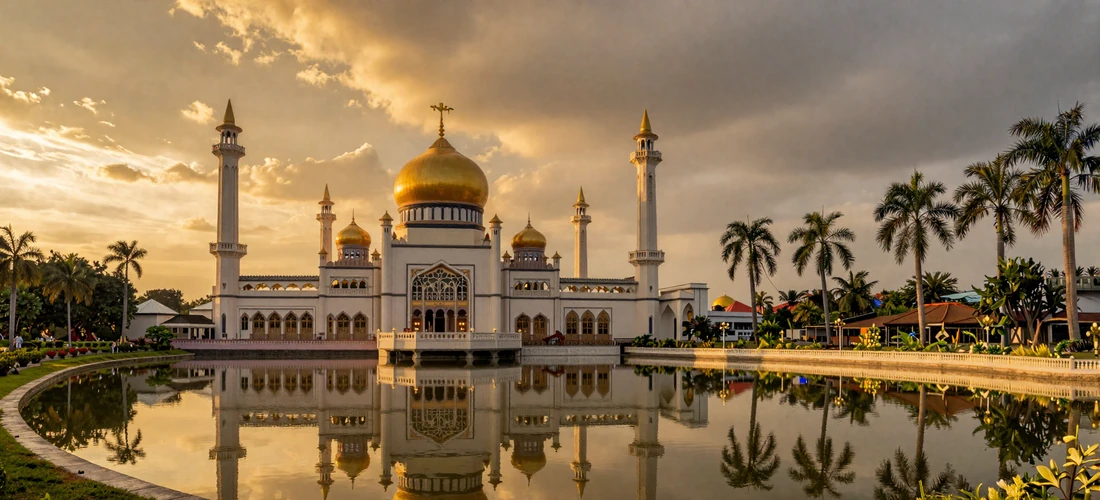
| Capital City | Bandar Seri Begawan (BSB) - home to the iconic Sultan Omar Ali Saifuddien Mosque |
| K-1 Visa Processing | 12-16 months (US Embassy in Bandar Seri Begawan) |
| Estimated K-1 Cost | $7,000-$12,000 including legal fees, travel, medical exam |
| Notable Cultural Features | No alcohol sales, no nightclubs, khalwat laws, Kampong Ayer water village, Ulu Temburong rainforest |
Bruneian women combine the warmth of Malay hospitality with the discipline of Islamic values and the confidence that comes from growing up in a prosperous, stable society. For American men who approach Bruneian women dating with genuine respect, cultural humility, and a sincere willingness to understand MIB philosophy, the reward is a partnership of extraordinary depth - built on faith, sustained by family devotion, and enriched by one of Southeast Asia's most unique and fascinating cultural heritages.
Frequently Asked Questions About Bruneian Women Dating
Yes, Brunei is one of the most conservative nations in Southeast Asia. Alcohol is prohibited, nightclubs do not exist, public displays of affection between unmarried couples are socially unacceptable, and khalwat laws restrict close proximity between unmarried men and women. However, this conservative environment produces women of remarkable character - honest, family-oriented, and deeply sincere about relationships. The constraints actually work in your favor by filtering out casual dating culture and ensuring that any woman who engages with you is serious about building a meaningful partnership.
Dating a Bruneian Muslim woman as a non-Muslim is possible during the getting-to-know-you phase, but marriage under Bruneian law requires the man to convert to Islam before the nikah ceremony can be performed. This is a legal requirement enforced by the Religious Affairs Ministry, not merely a cultural preference. The conversion process includes Islamic education classes and typically takes three to six months. Brunei also has non-Muslim minority communities including Chinese Buddhists and Christians, though approximately 78.8 percent of the population is Muslim. If you are open to learning about Islam and approaching conversion sincerely, Bruneian families will be remarkably supportive and welcoming.
Family involvement is central and non-negotiable in Bruneian relationships. Brunei is a small, close-knit society where family reputation carries enormous weight. Her parents, particularly her father, must approve of the relationship before it can progress toward engagement. The traditional merisik process - a discreet preliminary family inquiry - precedes any formal proposal. Family chaperoning during courtship is common and should be welcomed as a sign of respect. Gaining her family trust through consistent character, respect for Malay customs, and sincere interest in Islam is the single most important factor in your relationship success.
Yes, English proficiency in Brunei is generally high. Brunei education system, modeled on the British system, uses English as a primary medium of instruction from primary school through university. Most educated Bruneian women are bilingual in Malay and English, and many who have studied abroad in the UK, Australia, or Malaysia are fully fluent in English. You will be able to communicate clearly from the start, though learning basic Malay greetings like Selamat datang (welcome) and Terima kasih (thank you) demonstrates cultural respect that Bruneian women and their families deeply appreciate.
US citizens can enter Brunei visa-free for up to 90 days. Round-trip flights from the US West Coast to Bandar Seri Begawan typically cost $800 to $1,500 via connections through Kuala Lumpur or Singapore. Hotel accommodation in BSB ranges from $60 to $150 per night for quality mid-range options. Brunei is relatively affordable for dining and transportation compared to Singapore but more expensive than Malaysia or Indonesia. Budget approximately $1,500 to $3,000 for a 10-to-14-day visit including flights, accommodation, meals, local transport, and activities. Key attractions to share with your partner include the Sultan Omar Ali Saifuddien Mosque, Kampong Ayer water village, and the pristine Ulu Temburong National Park rainforest.
Bruneian women come from a wealthy, stable country with excellent public services, so their motivation for an international relationship is genuine emotional connection rather than economic opportunity. This is actually a significant advantage for American men - you can be confident that a Bruneian woman interest in you is based on authentic attraction and shared values, not financial need. Many educated Bruneian women who have studied or worked abroad are open to building an international life with the right partner. The K-1 fiancée visa process for Bruneian nationals is straightforward, processed through the US Embassy in Bandar Seri Begawan with typical timelines of 12 to 16 months.
Merisik is the traditional Malay preliminary inquiry that precedes a formal marriage proposal. The man family sends representatives to discreetly visit the woman home to assess compatibility - evaluating her character, family background, and receptiveness to a potential match. In modern Brunei, merisik has adapted to include intermediaries who facilitate introductions and families who communicate via trusted mutual connections. The merisik matters because it represents the moment when your relationship transitions from personal interest to family-sanctioned courtship. A successful merisik signals that her family is open to your intentions and willing to proceed toward the formal meminang proposal stage.
Show respect by learning basic Malay greetings and addressing her parents formally. Remove shoes when entering homes. Accept food and drink with your right hand. Dress modestly when meeting family - long pants and collared shirts for men. Avoid physical contact with your partner in public. Respect prayer times by not scheduling activities during salat hours. Bring thoughtful gifts when visiting her home - quality dates, sweets, or items from your home state. Show genuine curiosity about MIB philosophy and ask thoughtful questions about Bruneian traditions. Never criticize the Sultan or the monarchy. Demonstrate patience with the structured courtship timeline and welcome family involvement rather than viewing it as an obstacle.

Start Your Bruneian Connection
Create your free profile in under 2 minutes and connect with verified Bruneian women ready for a meaningful, lasting relationship.
Join Free Now