
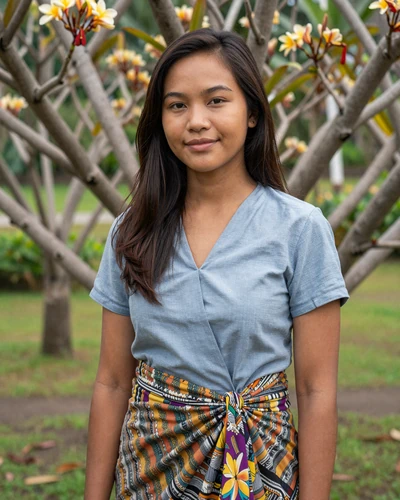
East Timorese Singles Seeking Genuine Love
Browse verified profiles of Timorese women looking for meaningful, long-term relationships with American men who value faith, resilience, and deep family bonds.
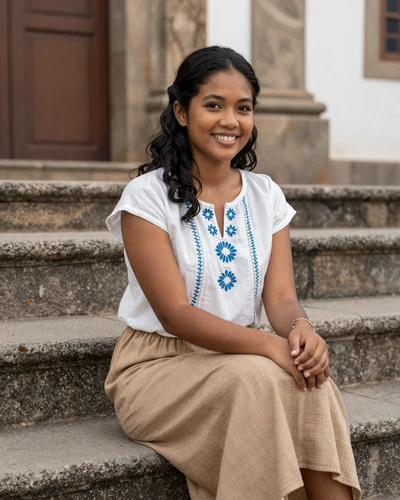
Ana Soares
Start Chat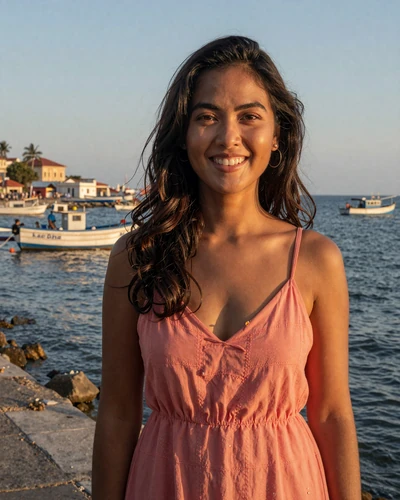
Celestina Guterres
Start Chat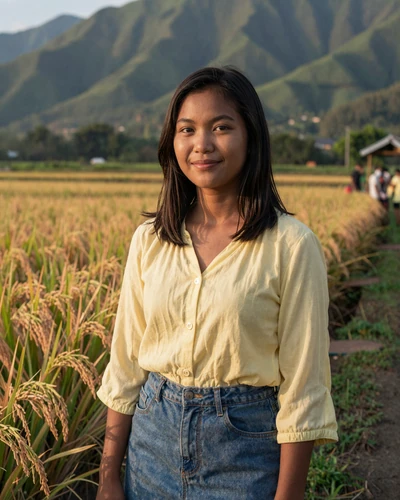
Rosa Pereira
Start Chat
Domingas Alves
Start Chat
Filomena Ximenes
Start Chat
Juliana Correia
Start Chat
Beatriz Amaral
Start ChatWhy Timorese Women Are Hidden Gems in Asian Dating
Timorese women dating introduces American men to one of Southeast Asia's most remarkable yet overlooked communities of women - shaped by four centuries of Portuguese colonial influence, the Catholic faith that permeates daily life, and a fierce spirit of independence forged during one of the 21st century's most inspiring struggles for national sovereignty. Timor-Leste (East Timor), the youngest nation in Southeast Asia, restored its independence in 2002 after a brutal 24-year occupation, and the resilience that carried the Timorese people through that struggle lives on in every woman who calls this island nation home. In 2026, East Timor's population of approximately 1.4 million people is predominantly Catholic - over 97% - making it the most Catholic nation in Asia and one of only two predominantly Catholic countries in the entire Asia-Pacific region alongside the Philippines.
What sets Timorese women apart in the international dating landscape is an extraordinary cultural combination you will not find anywhere else in Asia. They carry Portuguese-influenced names like Maria, Celestina, Domingas, and Beatriz. They worship in ornate Catholic churches built during centuries of Portuguese rule. They speak Tetun and Portuguese alongside Bahasa Indonesia. And they wrap themselves in tais - the stunningly vibrant hand-woven textiles that are the living symbol of Timorese cultural identity. For American men seeking a partner who shares Christian values, demonstrates unwavering family devotion, and brings a unique cultural perspective shaped by both Southeast Asian warmth and Lusophone heritage, Timorese women offer a genuinely rare match.
The shared Catholic faith creates a cultural bridge that few other Asian dating connections can match. Unlike the religious considerations that often complicate cross-cultural relationships in predominantly Muslim or Buddhist Southeast Asian countries, dating a Timorese woman means your faith traditions likely already align. Christmas, Easter, patron saint feast days, and Sunday Mass are the rhythm of Timorese life - familiar territory for Christian American men. This spiritual common ground simplifies family integration, reduces cultural friction, and provides a shared moral framework from the very beginning of your relationship. If you value the family-centered Catholic culture of Southeast Asia, you may also find meaningful connections through Filipino women dating, where a similarly strong Catholic tradition shapes relationship values and family life.
The Timorese spirit of resilience - born from centuries of colonial rule followed by decades of occupation and a hard-won independence - produces women of exceptional emotional strength. A Timorese woman does not collapse under adversity; she draws on the same collective determination that built a nation from the ashes of conflict. When she commits to a relationship, she brings that unwavering resolve to making it work. For American men who have grown weary of relationships that fracture at the first sign of difficulty, the steadfastness of a Timorese partner is profoundly reassuring.
Portuguese-Catholic Heritage and Timorese Family Life
The Catholic Faith as the Heartbeat of Timorese Identity
Catholicism in East Timor is not merely a religion - it is the defining marker of national identity. During the Indonesian occupation (1975-1999), when the Timorese language was suppressed and cultural expression was restricted, the Catholic Church became the primary institution through which Timorese people preserved their identity, organized resistance, and maintained hope. Nobel Peace Prize laureate Bishop Carlos Filipe Ximenes Belo and resistance leader José Ramos-Horta (who later became president) both emerged from this faith-driven resistance movement. The Church's role as protector and liberator has cemented Catholicism at the very core of what it means to be Timorese.
For a Timorese woman, her Catholic faith shapes every dimension of her life - from the prayers she says each morning, to the values she teaches her children, to the way she approaches romantic relationships. Marriage is a sacred sacrament, not a social arrangement. Divorce is extremely rare in Timorese society - not because it is legally prohibited, but because the spiritual and social commitment of marriage is taken with profound seriousness. When a Timorese woman says "until death do us part," she means it with a conviction that has been forged through generations of faithfulness under the most challenging circumstances.
- Sunday Mass: The central weekly event for Timorese families - churches fill to overflowing, with Mass conducted in Tetun and Portuguese, followed by community socializing
- Patron saint festivals (festas): Each village celebrates its patron saint with processions, traditional music, communal feasting, and tais textile displays - these are the social highlights of the year
- Baptism and First Communion: Milestone sacraments celebrated with extended family gatherings that can involve dozens of relatives traveling from across the country
- Rosary devotion: Many Timorese families pray the rosary together in the evening - a daily ritual that reinforces faith, family unity, and spiritual discipline
- All Saints' Day and All Souls' Day: Families visit graves of ancestors, clean burial sites, light candles, and pray - honoring the dead is a deeply spiritual obligation
Portuguese Linguistic and Cultural Influence
Portugal's presence in Timor from the 16th century until 1975 left an indelible cultural imprint that distinguishes East Timor from every other nation in Southeast Asia. Portuguese is one of East Timor's two official languages (alongside Tetun), and while daily conversation typically occurs in Tetun, Portuguese remains the language of government, higher education, and formal occasions. Many educated Timorese women speak Portuguese fluently, and the language carries prestige and cultural significance that connects Timor-Leste to the broader Lusophone world - Brazil, Portugal, Mozambique, and Angola.
The Portuguese influence extends beyond language into architecture, cuisine, naming conventions, and social customs. Dili's colonial-era buildings, with their pastel facades and wrought-iron balconies, evoke Lisbon and Macau. Timorese cuisine blends Southeast Asian ingredients with Portuguese cooking techniques - dishes like saboko (a rich meat stew), caril (curry adapted from Portuguese-Indian influence), and batar da'an (corn mixed with pumpkin and beans) reflect this unique fusion. Portuguese-style pastries, strong coffee, and the ritual of afternoon café conversation are woven into Timorese daily life in ways that American men familiar with European culture will find surprisingly comfortable.
Tais - The Living Fabric of Timorese Culture
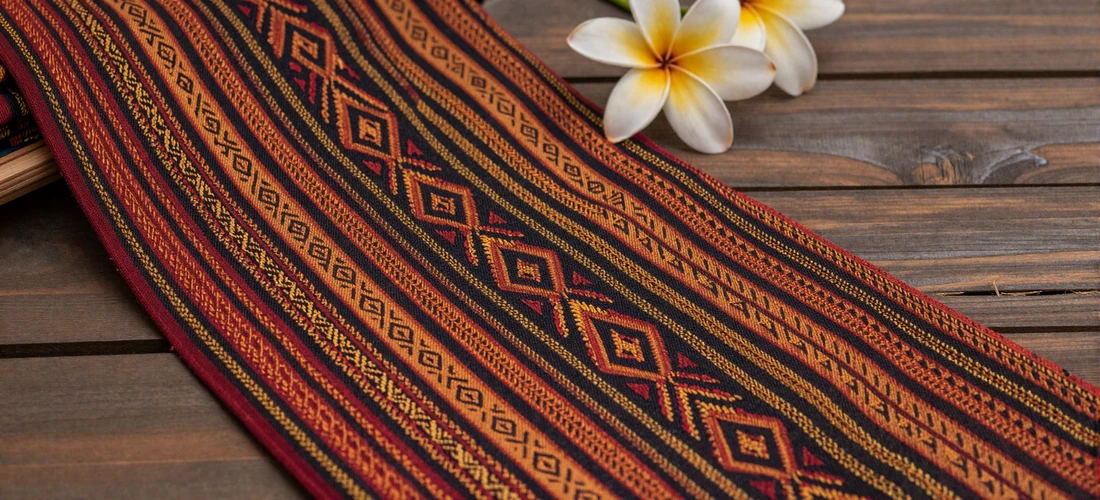
Tais is the traditional hand-woven textile of East Timor - and it is far more than cloth. Each tais tells a story through its patterns, colors, and weaving techniques that vary by district and clan. A woman's ability to weave tais is a marker of cultural knowledge, patience, and artistic skill. Tais textiles are exchanged during marriage ceremonies, wrapped around newborn babies, draped over the deceased, and displayed at every significant life event. When a Timorese woman presents you with a tais she has woven herself, she is offering you a piece of her cultural heritage - an honor of profound significance that should be received with visible gratitude and respect.
The Independence Spirit - Strength Forged in Struggle
East Timor's path to independence is one of the most dramatic national stories of the modern era. After Portugal withdrew in 1975, Indonesia invaded and occupied the territory for 24 years - a period marked by widespread suffering, with estimates suggesting that up to one-third of the pre-invasion population perished. The 1999 UN-supervised referendum, in which 78.5% of Timorese voted for independence despite violent intimidation, and the subsequent restoration of sovereignty on May 20, 2002, are defining moments seared into national consciousness.
Timorese women played crucial roles in the resistance - as underground messengers, community organizers, caregivers, and symbols of endurance. This history of collective struggle has produced a generation of women who possess remarkable inner strength, community solidarity, and a deep appreciation for freedom and peace. A Timorese woman brings this perspective to her relationships - she does not take stability for granted, she values a partner who provides security and consistency, and she approaches challenges with the same resilience that defined her nation's journey to independence. The parallel experience of resilience through adversity is something shared with Cambodian women, whose families similarly emerged from devastating national trauma with strengthened family bonds and cultural pride.
Timorese Marriage Traditions - Barlake and Beyond
Timorese marriage customs represent a fascinating blend of ancient animist traditions, Catholic sacramental theology, and clan-based social structures that have coexisted for centuries. Understanding these customs is essential for any American man serious about building a life with a Timorese woman. The marriage process involves not just two individuals but two extended families - and navigating it with cultural sensitivity earns you deep respect from her entire community.
Barlake - The Timorese Bride Exchange Tradition
Barlake is the traditional exchange of goods between families during the marriage negotiation process. It is not a "bride price" in the transactional Western understanding - it is a reciprocal exchange system that formalizes the alliance between two clans and honors the bride's family for the loss of a valued member. The groom's family (fetosan - "wife taker") presents gifts to the bride's family (umane - "wife giver"), typically including livestock (water buffalo are the most prized), money, gold, and tais textiles. The bride's family reciprocates with their own gifts - usually pigs, tais, and household goods.
The barlake negotiation is conducted by clan elders (lia-nain - "word holders") who serve as intermediaries, often over multiple meetings accompanied by traditional betel nut chewing and ceremonial language. The amounts involved vary enormously by region, social status, and education level of the bride. In rural areas, barlake may involve 5 to 15 water buffalo. In urban Dili, families increasingly negotiate monetary equivalents, with amounts ranging from $2,000 to $10,000 depending on circumstances. As a Western man, approaching barlake with respect and willingness to participate - even symbolically - demonstrates your commitment to honoring her cultural heritage.
- Fetosan-umane negotiations: Formal meetings between the groom's clan (fetosan) and bride's clan (umane) facilitated by respected elders who negotiate the exchange terms
- Water buffalo exchange: The most prestigious barlake gift - a single large water buffalo can be worth $1,000-$2,500 and symbolizes strength, prosperity, and serious commitment
- Tais exchange: Both families present hand-woven tais textiles - each carrying clan-specific patterns that formally link the two families through shared cultural heritage
- Catholic wedding Mass: The sacramental ceremony conducted by a priest, often in Tetun and Portuguese, with traditional hymns and community participation filling the church
- Communal feast (festa): The wedding celebration involves the entire community - roasted pig, traditional dishes, dancing, live music, and celebrations that can last multiple days
The Catholic Wedding Ceremony in Timorese Context
After the traditional barlake exchange, the Catholic wedding ceremony provides the spiritual and legal foundation of the marriage. Timorese wedding Masses are deeply communal events - the entire village or neighborhood participates, the church overflows, and the ceremony blends formal Catholic liturgy with Timorese cultural elements. The bride typically wears a white gown (influenced by Portuguese-Western tradition) combined with tais textile accents, and the groom may incorporate tais elements into his formal attire. The ceremony includes traditional Tetun hymns alongside standard Catholic liturgical music, creating a uniquely beautiful fusion of cultures.
Family Expectations and Financial Realities
Timorese families evaluate a potential partner through a lens that balances traditional values with practical considerations. Financial stability is important - not because Timorese women are materialistic, but because East Timor remains one of Southeast Asia's economically developing nations. Your ability to provide a stable life, support extended family connections, and contribute to the well-being of the broader clan demonstrates the kind of responsibility that Timorese culture prizes. Open, honest discussions about financial expectations during the barlake process prevent misunderstandings and build the trust foundation that sustains the relationship long-term.
"When I learned about barlake, I was initially uncertain. But participating in the ceremony - meeting her elders, sharing betel nut, presenting the gifts - was one of the most meaningful experiences of my life. It wasn't about money. It was about being welcomed into a family that stretches back generations." - Robert, 44, San Diego
Modern Dating in Dili - A New Generation of Timorese Women
Since independence in 2002, East Timor has undergone a remarkable social transformation. A generation of Timorese women born after the occupation has grown up in a free nation, with access to education, international media, and opportunities their mothers could never have imagined. The National University of Timor-Lorosa'e (UNTL) and growing numbers of private universities produce graduates in fields ranging from public health to business administration. International development organizations - the United Nations, USAID, Australian Aid, Portuguese cooperation programs - have created professional opportunities that have empowered Timorese women economically and socially.
Dili, the capital, is a small but increasingly cosmopolitan city of approximately 280,000 people. Its waterfront promenade, beachside cafés, growing restaurant scene, and international expatriate community create social environments where cross-cultural connections happen naturally. Young Timorese women in Dili navigate a dual cultural world - attending Mass on Sunday, weaving tais with their grandmothers, and participating in traditional community obligations, while also engaging with social media, pursuing professional careers, and exploring modern dating dynamics. This cultural bilingualism makes them exceptionally well-suited for cross-cultural relationships with American men.
Online Dating and Digital Connections
Internet penetration in East Timor has grown significantly since 2020, with mobile internet access now reaching approximately 45% of the population. In Dili, coverage is substantially higher. While dedicated Timorese dating platforms are limited, international platforms - including verified dating sites like ours - are increasingly used by Timorese women seeking serious relationships with foreign men. Social media platforms, particularly Facebook and Instagram, also serve as important connection points.
When creating a profile to connect with Timorese women, emphasize values that resonate deeply with their culture: Christian faith, family commitment, respect for tradition, emotional stability, and genuine interest in Timorese culture. Mention specific aspects - your appreciation for Southeast Asian heritage, your willingness to learn about tais weaving, your interest in visiting Dili - that signal authentic engagement rather than superficial curiosity. The similar approach is valued when connecting with Indonesian women, where cultural respect and family-first values are equally essential for building trust.
Travel and Visa Information for East Timor: US citizens can obtain a visa on arrival at Presidente Nicolau Lobato International Airport in Dili for stays of up to 30 days ($30 USD fee). The country has limited tourism infrastructure compared to neighboring Indonesia, but this creates a more authentic travel experience. Flights typically route through Bali (Indonesia), Darwin (Australia), or Singapore. Budget $1,500-$3,000 for a two-week visit including flights, accommodation, and travel expenses. For K-1 fiancée visa processing, the nearest US Embassy handling immigrant visa interviews is in Jakarta, Indonesia, with processing times of 12 to 18 months and total costs of $5,000-$10,000 including legal assistance.
The Timorese Diaspora - Connections Beyond the Island
The Timorese diaspora, while smaller than many Asian communities abroad, has established meaningful communities in Australia (particularly Darwin, Melbourne, and Sydney), Portugal (Lisbon), the United Kingdom, and the United States. The Australian Timorese community is the largest, estimated at 15,000-20,000 people, with deep historical ties dating back to the 1999 international intervention. In the US, small Timorese communities exist in Providence (Rhode Island), parts of California, and the greater Washington DC area. These diaspora connections provide additional pathways for meeting Timorese women who already have experience navigating Western cultural contexts.
Unique Qualities of Timorese Women as Partners
Timorese women bring a distinctive combination of faith, resilience, cultural pride, and family warmth that creates deeply fulfilling partnerships. This overview highlights the qualities American men consistently celebrate in their Timorese partners.
| Quality | How It Manifests | Why It Matters in a Partnership |
|---|---|---|
| Deep Catholic Faith | Daily prayer, weekly Mass attendance, sacramental commitment to marriage as a lifelong covenant | Shared spiritual foundation creates alignment on values, family priorities, and conflict resolution |
| Extraordinary Resilience | National history of overcoming occupation and hardship has forged emotional strength and determination | She approaches relationship challenges with steadfastness rather than fragility - your partnership strengthens under pressure |
| Fierce Family Loyalty | Extended family bonds are sacred - she maintains close relationships with parents, siblings, and clan members | Your children grow up surrounded by a loving, supportive community that extends far beyond the nuclear family |
| Cultural Pride and Artistry | Tais weaving, traditional dance, and festival participation keep cultural heritage alive across generations | Your home becomes enriched with beautiful handcrafted textiles and vibrant cultural traditions that deepen family identity |
| Warmth and Hospitality | Southeast Asian warmth combined with Portuguese-influenced social grace creates naturally welcoming homes | Your social life transforms - friends and guests are welcomed with genuine generosity and joyful community spirit |
Timorese Dating at a Glance
| Detail | Information |
|---|---|
| Population | ~1.4 million in East Timor, small diaspora in Australia, Portugal, and the US |
| Official Languages | Tetun and Portuguese - many also speak Bahasa Indonesia; English growing among educated youth |
| Dominant Religion | Roman Catholic (97%+) - most Catholic nation in Asia |
| Independence Year | 2002 (restored sovereignty after 1999 referendum) |
| Capital City | Dili - coastal city of ~280,000, the country's cultural and economic center |
| Key Cultural Tradition | Tais weaving - hand-woven textiles with clan-specific patterns central to all life ceremonies |
| Marriage Custom | Barlake - reciprocal gift exchange between families involving livestock, money, and tais |
| K-1 Visa Processing | 12-18 months (embassy interview in Jakarta, Indonesia) |
| Estimated K-1 Cost | $5,000-$10,000 including legal fees, travel, medical exam |
| Famous Timorese Heritage | Cristo Rei statue, Jaco Island, Ataúro Island coral reefs, Nino Konis Santana National Park |
Timorese women combine the warmth of Southeast Asia with the faith of Catholic Europe and the resilience of a nation that fought for its very existence. For American men willing to approach Timorese dating with genuine respect, cultural curiosity, and a heart open to one of Asia's most unique cultural experiences, the reward is a partnership built on shared faith, sustained by community, and enriched by a heritage unlike any other in the region. Explore similar blends of Catholic values and Southeast Asian warmth through Filipino women dating, where shared faith traditions create equally strong foundations for cross-cultural love.
Frequently Asked Questions About Timorese Women Dating
Timorese women typically speak Tetun as their primary daily language, which is one of East Timor two official languages. Many also speak Portuguese, especially those with higher education, as it is the language of government and academia. Older generations may speak Bahasa Indonesia from the occupation period. English is increasingly common among younger educated women in Dili, though fluency levels vary. Learning basic Tetun phrases like Bondia (good morning), Obrigadu (thank you), and Hau hadomi o (I love you) demonstrates genuine cultural interest and will be deeply appreciated.
East Timor is generally safe for foreign visitors, particularly in Dili and major towns. The country has a low crime rate compared to other Southeast Asian nations, and the Timorese people are known for their hospitality toward foreigners. Standard travel precautions apply - avoid walking alone late at night in unfamiliar areas, keep valuables secure, and be aware of your surroundings. Infrastructure is developing, so expect basic road conditions outside Dili. The international presence of UN personnel and NGO workers means Dili has a functioning expatriate support network including international-standard medical facilities.
Barlake is the traditional reciprocal gift exchange between families during marriage negotiations. The groom family presents gifts - typically water buffalo, money, gold, and tais textiles - to the bride family, who reciprocate with their own gifts. In rural areas, barlake may involve 5 to 15 water buffalo. In urban Dili, families increasingly negotiate monetary equivalents ranging from $2,000 to $10,000 depending on family status, education, and regional customs. It is not a bride price but a formalization of the alliance between two clans. Approaching barlake with respect and willingness to participate demonstrates commitment to her cultural heritage.
Catholic faith is central to Timorese identity, with over 97 percent of the population practicing Catholicism. Most Timorese families strongly prefer a Catholic partner, and many expect church wedding ceremonies. If you are already Christian but not Catholic, the transition is generally well-received. Non-Christian partners may face more significant concerns from traditional families. The most important factor is demonstrating genuine respect for her faith, willingness to participate in Mass and religious observances, and commitment to raising children within the Catholic tradition. Honest conversations about faith early in the relationship are essential.
There are no direct flights from the US to East Timor. The most common routes connect through Bali Indonesia with Citilink or Sriwijaya Air, Darwin Australia with Airnorth, or Singapore. Total travel time is typically 20 to 30 hours including layovers. US citizens receive a 30-day visa on arrival at Dili airport for $30 USD. Budget $1,500 to $3,000 for a two-week visit including flights, accommodation, meals, and local transport. Accommodation in Dili ranges from budget guesthouses at $25 per night to international-standard hotels at $80 to $150 per night.
The K-1 fiancée visa process begins by filing Form I-129F with USCIS. Since there is no US Embassy in East Timor, your fiancée interview will be conducted at the US Embassy in Jakarta, Indonesia. Processing times average 12 to 18 months. You must have met in person within the past two years and demonstrate a genuine relationship through photos, communication records, and travel documentation. Total costs range from $5,000 to $10,000 including USCIS filing fees, embassy interview fees, medical examination, travel to Jakarta, and legal assistance. Consulting an immigration attorney familiar with Southeast Asian cases is recommended.
Timorese women are uniquely shaped by four centuries of Portuguese colonial influence and deep Catholic faith - making East Timor the only predominantly Catholic nation in Southeast Asia alongside the Philippines. They carry Portuguese-influenced names and cultural customs blended with indigenous Austronesian traditions like tais weaving and barlake marriage exchanges. Their national history of resistance and independence forged exceptional resilience and community solidarity. Unlike women from predominantly Buddhist or Muslim Southeast Asian countries, Timorese women share a Christian spiritual framework that often aligns naturally with American cultural values around faith, family, and marriage.
Family approval is foundational in Timorese relationships. Marriage is considered a union between two clans, not just two individuals, and the formal barlake exchange process involves extended family elders from both sides. Her parents, uncles, and lia-nain (clan word holders) all participate in evaluating your suitability. Gaining family approval requires demonstrating financial stability, genuine respect for Timorese culture, commitment to Catholic values, and willingness to participate in traditional ceremonies. Building relationships with her extended family through respectful visits, generous hospitality, and patient engagement with cultural protocols is the pathway to earning lasting acceptance.
Discover Timorese Women Today
Create your free profile in under 2 minutes and connect with verified Timorese women ready for a meaningful, lasting relationship built on shared faith and family values.
Join Free Now