

Featured Japanese Singles Looking for Commitment
Browse verified profiles of Japanese women seeking genuine relationships with American men.

Hana Suzuki
Start Chat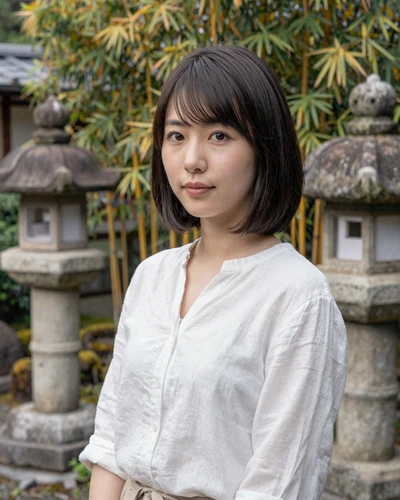
Aoi Nakamura
Start Chat
Rina Watanabe
Start Chat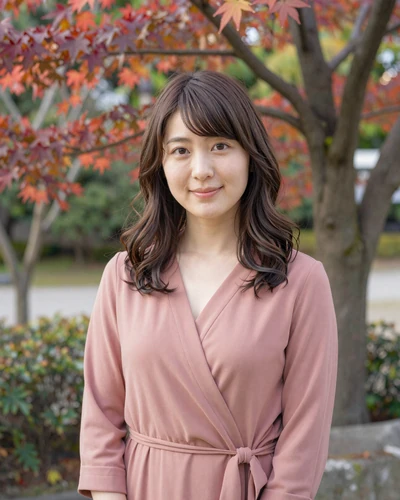
Mio Yamamoto
Start Chat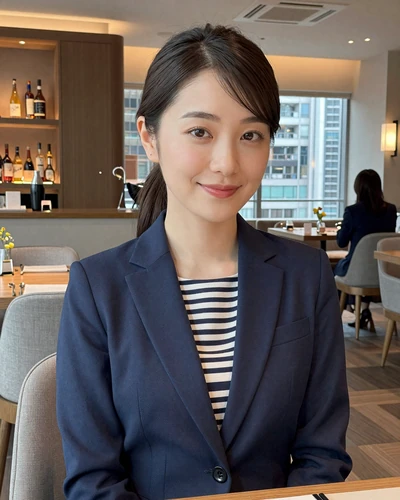
Sakura Ito
Start Chat
Emi Kobayashi
Start Chat
Natsuki Sato
Start ChatJapanese Women: Tradition, Grace, and Modern Ambition
Japanese women dating offers American men a uniquely refined cross-cultural experience - one shaped by centuries of aesthetic discipline, deep-rooted respect for others, and a modern ambition that makes Japan one of the most dynamic societies on Earth. Japanese women are not defined by a single stereotype. They are university-educated professionals in Tokyo, artisan craftswomen in Kyoto, tech entrepreneurs in Osaka, and devoted mothers who hold families together with quiet, unwavering strength. What unites them is a cultural foundation built on sincerity, attention to detail, and a belief that genuine relationships require patience, respect, and mutual effort.
Japan is a nation of 125 million people, the third-largest economy in the world, and a country where ancient Shinto shrines stand beside neon-lit skyscrapers. This duality - tradition meeting modernity - defines everything about Japanese dating culture. A Japanese woman may spend her weekday in a corporate boardroom presenting quarterly results in flawless English, then spend her weekend practicing tea ceremony or visiting a family temple. Understanding this balance is the key to building a lasting relationship with a Japanese partner.
Japanese Dating Etiquette and the Art of Formality
Japanese dating culture operates on a level of intentionality and formality that many Western men initially find surprising - and ultimately deeply rewarding. In Japan, romantic relationships are not casual by default. The concept of kokuhaku (confession) is central to Japanese dating: a relationship does not officially begin until one person formally confesses their feelings and the other accepts. There is no ambiguous "seeing each other" phase. Either you are in a relationship, or you are not. This clarity eliminates the guessing games that frustrate so many men in American dating culture.
First dates in Japan are typically modest and structured. Coffee dates, walks through parks, visits to museums or bookshops, and shared meals at casual restaurants are standard. Grand gestures, expensive gifts, or ostentatious displays of wealth on a first date can actually backfire - they may come across as trying too hard or lacking sincerity. Japanese women value teinei (politeness) and kiyoi (purity of intention) above material display. Show up on time - punctuality is non-negotiable in Japanese culture - dress neatly, listen attentively, and demonstrate genuine curiosity about her life and interests.
- Kokuhaku (告白): The formal love confession that marks the official start of a relationship - skipping this step means you are not yet dating in her eyes
- Teinei (丁寧): Politeness and careful consideration in every interaction, from word choice to body language
- Omotenashi (おもてなし): The spirit of wholehearted hospitality - she will extend this to you and expects it in return
- Wa (和): Social harmony - avoiding public conflict, loud disagreements, or embarrassing situations is essential
- Ganbaru (頑張る): Perseverance and giving your best effort - she values a man who works hard and stays committed
Balancing Traditional Values and Career Ambition
Japan in 2026 is experiencing a significant cultural shift in gender dynamics. While traditional expectations still hold weight - particularly in rural areas and among older generations - urban Japanese women are increasingly career-focused, financially independent, and selective about their partners. Over 50% of Japanese women in their twenties hold university degrees, and female participation in the workforce has reached record highs. Many Japanese women delay marriage into their thirties, not because they reject the institution, but because they want to establish their identity and career before committing.
For American men, this creates an interesting dynamic. A modern Japanese woman is not looking for a provider in the traditional sense - she can provide for herself. What she seeks is a partner who offers emotional depth, mutual respect, intellectual stimulation, and a willingness to share domestic responsibilities equitably. The outdated image of the submissive Japanese wife is not only inaccurate - it is offensive to the women you will meet on this platform. Approach Japanese women dating with the understanding that you are pursuing a partnership of equals, and you will find the experience profoundly fulfilling.
This balanced approach to independence and tradition is something Japanese women share with Taiwanese women, who also navigate between Confucian family expectations and modern career aspirations. Men who appreciate intellectual partnership often find both cultures deeply compatible.
Communication Styles: Reading Between the Lines
Japanese communication is famously indirect, and this is the single area where most Western men struggle initially. In Japanese culture, maintaining wa (harmony) takes priority over blunt honesty. A Japanese woman may say "that might be difficult" when she means "no." She may smile and nod during a conversation where she disagrees with you completely. She may express displeasure not through words but through subtle changes in behavior - shorter messages, delayed responses, or a shift in tone.
This is not dishonesty - it is a deeply ingrained cultural communication style designed to preserve the dignity and feelings of everyone involved. Learning to read context, tone, and behavior rather than relying solely on literal words is essential when dating Japanese women. Pay attention to what she does, not just what she says. If she consistently makes time for you, remembers small details about your conversations, and introduces you to her social circle, those actions speak louder than any verbal declaration.
"Learning to appreciate the quieter ways Yuki expressed her feelings changed everything for me. She would never say 'I love you' casually - but she would wake up early to make me breakfast, remember that I mentioned a book I wanted, and quietly place it on my desk. That is Japanese love in action." - Robert, 44, Colorado
The indirect communication style of Japanese women contrasts notably with the more direct approach you may encounter with Korean women, who tend to express emotions more openly within relationships. Understanding these cultural communication differences helps you identify which dynamic energizes you most.
Family Expectations and the Meeting-the-Parents Milestone
Meeting a Japanese woman's parents is a significant milestone that signals serious commitment. Unlike some Western cultures where a casual dinner with parents is common early on, in Japan this introduction typically happens only when both partners are considering marriage. Prepare for a formal, structured occasion. Dress conservatively, bring a thoughtful gift (temiyage - typically high-quality regional food items beautifully wrapped), use polite Japanese phrases like Hajimemashite (Nice to meet you) and Yoroshiku onegaishimasu (Please treat me well), and demonstrate respect through your posture, eye contact, and attentiveness.
Japanese families generally care about three things when evaluating a potential son-in-law: stability (financial and emotional), character (are you honest, respectful, and reliable?), and compatibility (will you treat their daughter as an equal and contribute to family harmony?). Your nationality matters far less than your demonstrated values. Many Japanese families in 2026 are increasingly open to international marriages, particularly as the concept of kokusai kekkon (international marriage) becomes more normalized through media, travel, and the growing global presence of Japanese culture.
The family approval process in Japanese culture shares similarities with the emphasis on parental blessing that you will find when dating Chinese women, though the Japanese approach tends to be more understated and less directly negotiated.
Japanese Dating Customs Every Western Man Should Know
Japanese dating culture includes customs and unspoken rules that differ significantly from Western norms. This reference guide helps you navigate key moments with confidence and cultural sensitivity.
| Custom | Meaning | How to Respond | Common Mistakes |
|---|---|---|---|
| Kokuhaku (Confession) | Formal declaration of romantic feelings that starts a relationship | Be sincere, direct, and choose a private setting when confessing | Assuming you are dating without a confession; being vague about intentions |
| White Day (March 14) | Men reciprocate Valentine's gifts - expected to give gifts worth 2-3x what she gave | Buy quality chocolate, jewelry, or flowers; present them thoughtfully | Forgetting White Day entirely or giving a cheap or generic gift |
| Splitting the Bill | Common on early dates; signals equality and avoids obligation pressure | Offer to pay, but graciously accept if she insists on splitting | Forcing payment; assuming she expects you to always pay |
| Physical Affection in Public | Minimal in Japanese culture; hand-holding is the most common PDA | Follow her lead; keep affection private until she initiates public contact | Kissing, hugging, or touching in public before she signals comfort |
| Temiyage (Gift Giving) | Bringing gifts when visiting someone's home or meeting family | Choose high-quality, beautifully wrapped items from your region or country | Arriving empty-handed; giving gifts in sets of four (unlucky number) |
| LINE Messaging | LINE is the dominant chat app in Japan - more important than texting or email | Download LINE, use cute stickers, send good morning and goodnight messages | Using only SMS or WhatsApp; not responding to her LINE stamps |
| Punctuality | Arriving on time is a baseline expectation; early is ideal | Arrive 5 minutes early; notify immediately if delayed even by 1 minute | Being late without apology; treating tardiness as no big deal |
These customs reflect the deeper Japanese value of omoiyari - the ability to anticipate and consider the feelings of others before your own. When you demonstrate awareness of these traditions, a Japanese woman recognizes that you have invested genuine effort in understanding her world, and that effort builds trust faster than any words can.
Navigating Love With a Japanese Woman
Building a successful relationship with a Japanese woman requires adapting your approach to align with cultural values that may differ from what you are accustomed to in American dating. These practical tips draw from the real experiences of American men who have built thriving cross-cultural relationships with Japanese partners.
1. Master the Art of Patient Courtship
Japanese relationships develop slowly by Western standards. Where American dating culture often moves rapidly from first date to exclusivity, Japanese courtship unfolds gradually. Multiple dates before any physical intimacy is standard. Do not interpret her measured pace as disinterest - she is observing your consistency, sincerity, and character over time. The Japanese concept of shinyo (earned trust) requires repeated demonstrations of reliability before deeper emotional vulnerability emerges. Text regularly, show up when you say you will, and let the relationship develop at her pace.
2. Learn Basic Japanese - It Transforms the Connection
While many Japanese women in urban centers speak conversational English, language remains the primary barrier in Japanese women dating. Learning even basic Japanese phrases - greetings, expressions of gratitude, simple compliments - signals respect and dedication that resonates powerfully. Apps like WaniKani for kanji, Bunpo for grammar, and italki for conversation practice make daily study accessible. Even reaching JLPT N4 level (basic conversational ability) dramatically changes the dynamics of your relationship and earns significant respect from her family.
3. Appreciate the Aesthetics of Everyday Life
Japanese culture places extraordinary value on beauty in ordinary moments - the arrangement of food on a plate, the seasonal flowers in a vase, the way a gift is wrapped. This aesthetic sensibility, rooted in concepts like wabi-sabi (beauty in imperfection) and mono no aware (the pathos of things), extends to how Japanese women approach relationships. Noticing and appreciating the small thoughtful gestures she makes - the way she prepares a meal, chooses a restaurant, or arranges your shared space - demonstrates that you understand what matters to her.
4. Navigate the Work-Life Balance Conversation Early
Japan's demanding work culture (karoshi - death from overwork - is an actual recognized cause of death) affects relationships significantly. If she works in a corporate environment, expect long hours, obligatory after-work socializing (nomikai), and limited vacation days. Discuss expectations about work-life balance openly. If you plan to live together in the US, the shift from Japanese work culture to American work norms can be a relief for her - or a challenging adjustment. Either way, mutual understanding prevents resentment.
5. Plan a Trip to Japan That Shows Cultural Depth
Japan is one of the safest, most fascinating, and most visitor-friendly countries in the world. When you visit her, plan an itinerary that goes beyond tourist highlights. Visit her hometown, attend a local matsuri (festival), share a meal at her favorite family restaurant, and explore neighborhoods she loved growing up. A two-week trip to Japan typically costs $3,000 to $5,000 from the US, including international flights, rail pass, accommodation ranging from business hotels to traditional ryokan, food, and activities. The Japan Rail Pass makes travel between cities effortless and affordable.
K-1 Visa Note: Japanese nationals have one of the highest K-1 fiancée visa approval rates. The US Embassy in Tokyo processes applications efficiently. Total costs range from $5,000 to $12,000. You must have met in person within the past two years. Japanese women are generally well-documented, which simplifies the paperwork process significantly compared to some other nationalities.
6. Respect Her Need for Personal Space
Japanese culture values personal space and individual time far more than many other Asian cultures. Your Japanese partner may need quiet evenings alone, time with her own friends, or space to pursue solo hobbies. This is not a sign of emotional distance - it is how she recharges and maintains the inner balance that allows her to bring her best self to the relationship. American men who have also explored dating Korean women often note that Korean dating culture tends to involve more constant togetherness, while Japanese relationships allow for more personal autonomy within the partnership.
7. Understand the Role of Seasonal Romance
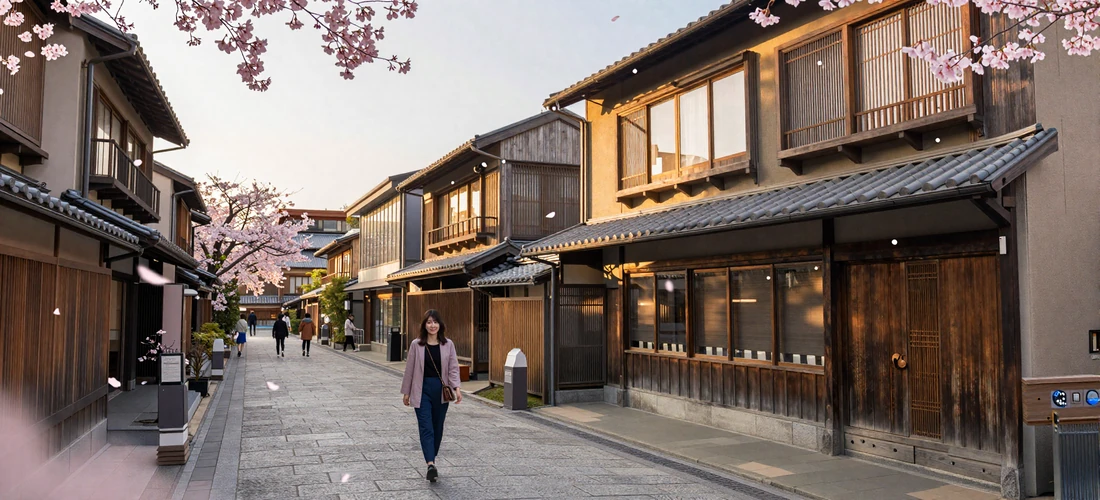
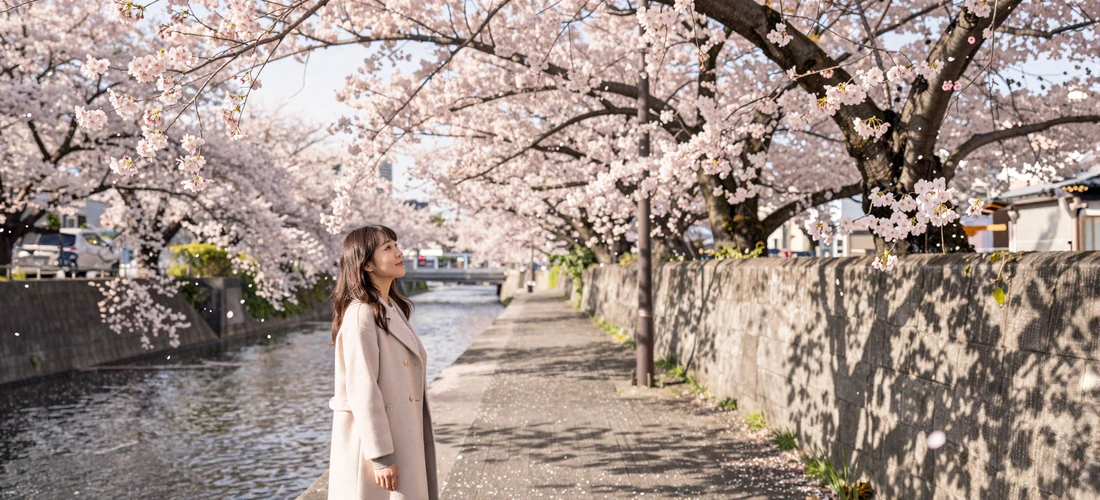
Japan's relationship with the changing seasons (shiki) permeates every aspect of life, including romance. Cherry blossom viewing (hanami) in spring, summer fireworks festivals (hanabi), autumn leaf viewing (momijigari), and winter illumination events are all deeply romantic occasions in Japanese culture. Planning dates around these seasonal milestones shows cultural awareness and creates shared memories that carry deep emotional weight. Christmas Eve in Japan is treated as a romantic couples' holiday rather than a family event - equivalent to Valentine's Day in significance.
Key Takeaways: Why Japanese Women Dating Rewards Patience and Depth
Japanese women bring a unique combination of cultural sophistication, quiet devotion, intellectual depth, and aesthetic sensibility to relationships. For American men who value substance over surface, sincerity over spectacle, and partnership built on mutual respect, Japanese women dating in 2026 offers one of the most rewarding cross-cultural experiences available.
✦ What You Gain
- A deeply loyal, thoughtful, and emotionally intelligent partner
- Exposure to one of the world's richest and most fascinating cultures
- Clear relationship boundaries defined by the kokuhaku tradition
- A partner who values quality, attention to detail, and mutual respect
- High K-1 visa approval rates and smooth immigration process
- Safe, affordable travel to one of the most visitor-friendly countries
✦ Common Mistakes to Avoid
- Expecting quick physical intimacy or rushing the courtship process
- Being loud, confrontational, or overly direct in disagreements
- Arriving late to dates or failing to notify her of delays immediately
- Ignoring indirect communication cues and taking all words literally
- Buying into stereotypes of submissiveness - she is your equal partner
- Forgetting White Day, seasonal events, or small thoughtful gestures
Japanese Dating at a Glance
| Detail | Information |
|---|---|
| Population | 125 million (11th largest country by population) |
| Official Language | Japanese (English widely studied but proficiency varies) |
| Dominant Religions | Shinto and Buddhism (often practiced simultaneously) |
| Top Cities for Dating | Tokyo, Osaka, Kyoto, Yokohama, Nagoya, Fukuoka, Sapporo |
| Travel Cost from US (2 weeks) | $3,000-$5,000 including flights, rail pass, hotel, food, activities |
| K-1 Visa Processing Time | 12-18 months (embassy interview in Tokyo) |
| Japanese-American Community | ~1.6 million - well-established in Hawaii, California, and Pacific Northwest |
| Time Difference from US (EST) | +13 to +14 hours |
Japanese women dating requires more patience and cultural awareness than some other Asian dating paths - but the depth of connection, the richness of shared experience, and the quality of partnership it produces make the investment of time and effort profoundly worthwhile. For American men who are ready to engage with one of the world's most refined cultures on a deeply personal level, the journey begins with a single, sincere kokuhaku.
Frequently Asked Questions About Japanese Women Dating
English proficiency varies widely in Japan. Women in major cities like Tokyo, Osaka, and Yokohama - especially those who have traveled abroad or work in international companies - often speak conversational English. However, the language barrier is more significant with Japanese women than with Filipina or Singaporean women. Many successful couples use a combination of English, basic Japanese, and translation apps in the early stages. Learning Japanese, even at a beginner level, dramatically improves the connection and shows respect for her culture.
Kokuhaku is a formal confession of romantic feelings that marks the official beginning of a relationship in Japanese culture. Until one person confesses and the other accepts, you are not considered a couple regardless of how many dates you have been on. This tradition eliminates ambiguity and ensures both partners are equally committed from the start. It typically happens after several dates when both parties feel a genuine connection. Being clear and sincere during your kokuhaku is one of the most important moments in Japanese dating.
Acceptance of international marriages has grown significantly in Japan, particularly in urban areas. Most Japanese families evaluate a potential son-in-law based on his character, stability, and respect for their daughter - not his nationality. The key factors are demonstrating sincerity, showing awareness of Japanese customs, bringing appropriate gifts when meeting parents, and proving that you are committed to a long-term future together. Learning basic Japanese and understanding cultural norms earns substantial respect from her family.
A two-week trip to Japan from the United States typically costs between $3,000 and $5,000, including round-trip flights ($800 to $1,500), a 14-day Japan Rail Pass ($400 to $500), hotel accommodation ($80 to $200 per night), daily food ($30 to $80), and activities. Japan is a safe, efficient, and incredibly well-organized country for travelers. The Japan Rail Pass makes it easy and affordable to visit multiple cities, and Japan has accommodation options for every budget from hostels to luxury ryokan.
The most significant differences include indirect communication (she may imply rather than state her feelings directly), slower relationship progression (physical intimacy develops gradually), the importance of personal space and alone time, minimal public displays of affection, and the weight of seasonal traditions and gift-giving occasions like White Day and Christmas Eve. Japanese women also tend to express love through actions and thoughtful gestures rather than verbal declarations. Adapting to these differences requires patience but leads to a deeply rewarding relationship dynamic.
Japanese nationals generally experience a smooth K-1 visa process. Japan has a high visa approval rate due to strong diplomatic ties with the US and well-maintained civil records that simplify document verification. The process takes 12 to 18 months and costs $5,000 to $12,000 total. You must have met in person within the past two years. The US Embassy in Tokyo is experienced with K-1 applications and processes them efficiently. Having clear documentation of your relationship history, including photos, travel records, and communication logs, strengthens your application.
Japanese women are among the least likely to be involved in dating scams due to Japan s high standard of living and strong legal protections. However, always use verified platforms like ours that confirm identities. Look for the verification badge on profiles, suggest video calls early in the conversation, and be cautious of anyone who avoids showing their face or asks for money. Genuine Japanese women will be interested in your character and life story, not your finances. Our platform uses AI-powered anti-scam technology to protect all members.
Meet Japanese Women - Start Your Journey
Create your free profile in under 2 minutes and connect with verified Japanese women ready for a meaningful relationship.
Join Free Now