
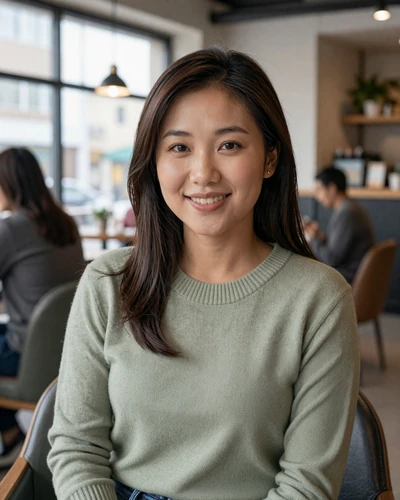
Mongolian Singles Searching for Love
Browse verified profiles of Mongolian women ready for genuine, long-term relationships with American men who respect their strength and heritage.
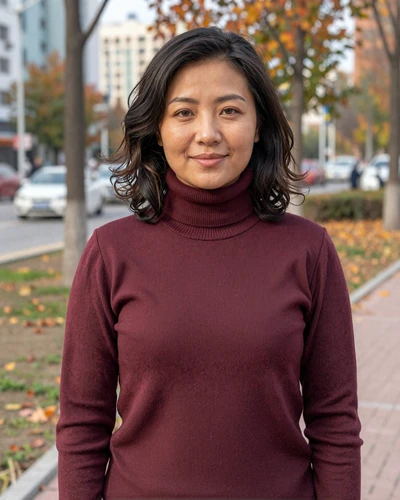
Enkhtuya Dorj
Start Chat
Bolormaa Ganbold
Start Chat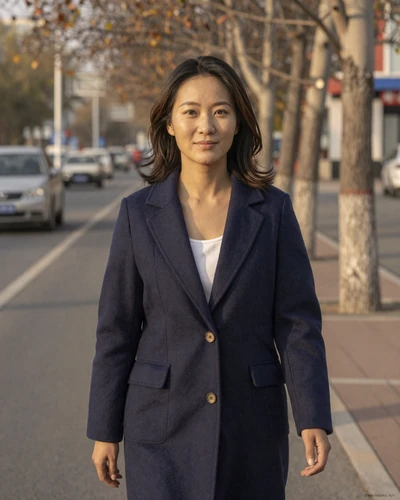
Sarangerel Munkh
Start Chat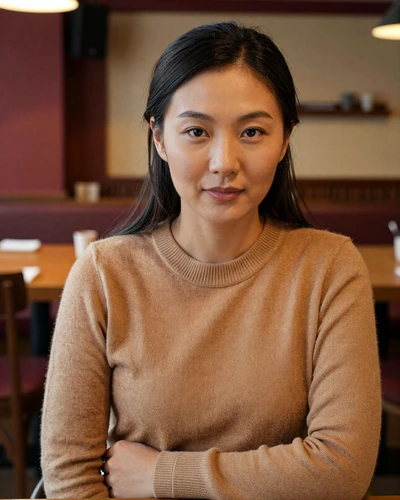
Altantsetseg Erdene
Start Chat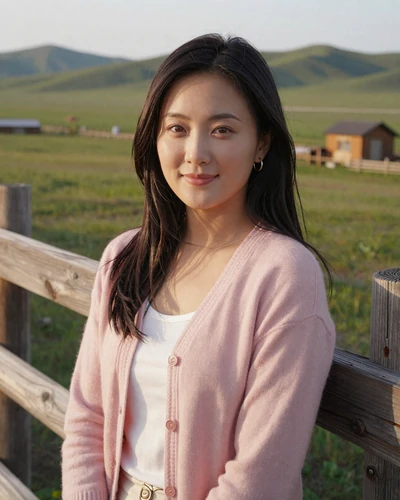
Narantsetseg Batu
Start Chat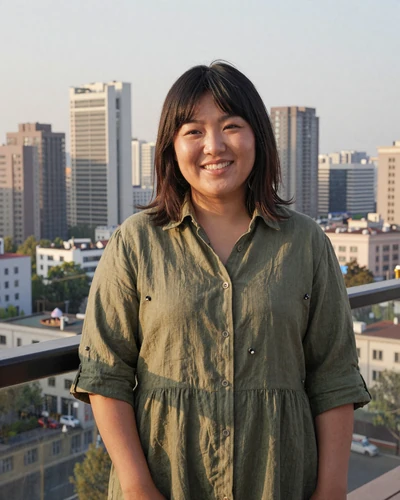
Tsetsegmaa Sukhbaatar
Start Chat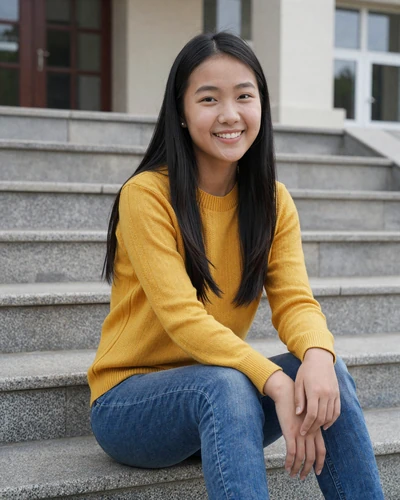
Khongorzul Tsogt
Start ChatWhy American Men Are Fascinated by Mongolian Women
Mongolian women dating introduces American men to some of the most fiercely independent, emotionally resilient, and genuinely warm-hearted women in all of East and Central Asia. Mongolia - a landlocked nation of 3.4 million people sprawling across a territory nearly the size of Alaska - forged its people in the crucible of extreme landscapes and an unbroken nomadic tradition stretching back thousands of years. The result is a culture that produces women who are simultaneously tough and tender, self-reliant and deeply devoted to family, modern in outlook yet rooted in ancient values that American men find profoundly refreshing in 2026.
What sets Mongolian women apart in the international dating landscape is their remarkable combination of independence and loyalty. Unlike many cultures where traditional femininity is defined primarily through domesticity, Mongolian women have historically ridden horses alongside men, managed livestock herds, and made critical decisions about family survival in one of the world's harshest climates. Genghis Khan's empire - the largest contiguous land empire in human history - was sustained in part by women who ran the home front with iron efficiency while men were on campaign. That same spirit persists today. A Mongolian woman will never be passive or submissive, but when she chooses you as her partner, her commitment is forged from the same steel that built empires.
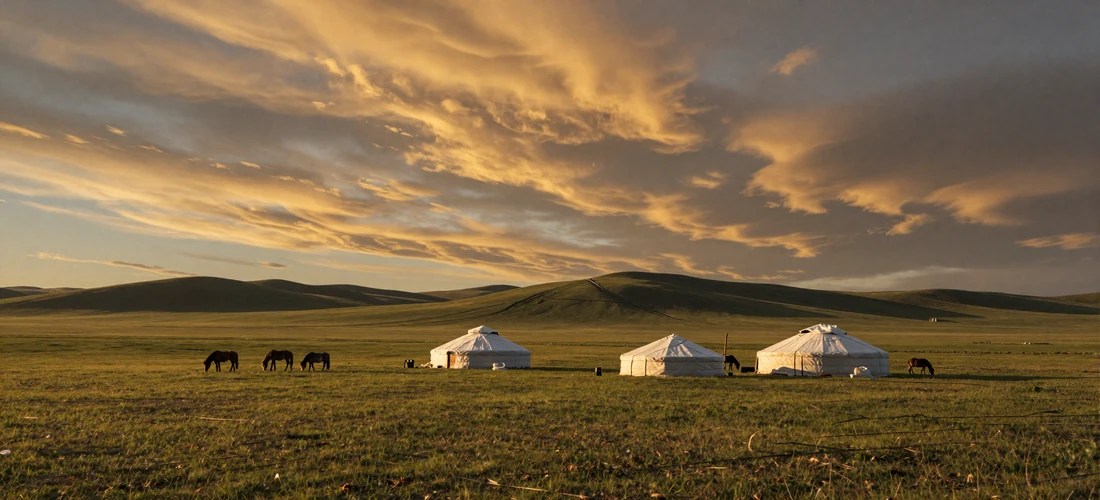
Mongolia's geographic position - bordered by Russia to the north and China to the south - has created a unique cultural identity that blends East Asian heritage with Central Asian nomadic traditions and a distinct Mongolic identity that belongs to neither neighbor. Mongolian women carry this uniqueness in everything from their striking high-cheekbone beauty to their direct, no-nonsense communication style that American men often describe as "refreshingly honest." If you appreciate strong, self-assured women who bring genuine cultural depth to a relationship, Mongolia offers something you will not find elsewhere. The blend of East Asian features and Central Asian spirit also creates natural cultural bridges with Chinese women dating and Kazakh women dating, where shared geographic proximity and overlapping traditions offer complementary perspectives on love, family, and partnership.
In practical terms, Mongolian women dating has become increasingly accessible in 2026. Ulaanbaatar - home to nearly half the country's population - is a modern, connected capital where English education has expanded dramatically over the past decade. The Mongolian diaspora, while smaller than other Asian communities in the United States (estimated at 20,000 to 30,000), is concentrated in key metropolitan areas including the Washington D.C. corridor, Chicago, Denver, San Francisco, and Los Angeles. These communities serve as cultural gateways for American men seeking authentic connections with Mongolian women who balance modern ambition with deep respect for their nomadic heritage.
Nomadic Heritage and Modern Mongolian Family Values
The Ger: Where Family Life Begins
The ger (known as "yurt" in the West) is far more than a portable dwelling - it is the physical and spiritual center of Mongolian family life, a tradition that has endured for over three millennia. Even today, approximately 30% of Ulaanbaatar's population lives in ger districts, and virtually every Mongolian family maintains a connection to ger culture through relatives in the countryside. Understanding the ger is essential to understanding how Mongolian women think about home, family, and partnership.
Inside the ger, every element has meaning. The hearth at the center represents the family's spiritual core - fire is sacred in Mongolian culture, and stepping on the threshold of a ger is considered deeply disrespectful. The northern half of the ger (khoimor) is the place of honor where valued guests are seated. The eastern side is the women's domain - tools, kitchen supplies, and children's items are kept here. The western side belongs to men, holding riding gear, weapons, and hunting equipment. This spatial organization reflects a worldview where masculine and feminine roles are distinct yet equally essential - a balance that Mongolian women bring to their modern relationships.
- Hearth and fire: The sacred center of family life - fire represents continuity, warmth, and the family's unbroken spiritual connection to ancestors
- Khoimor (place of honor): The northern section where elders sit and family treasures are kept - seating position reflects your status within the family hierarchy
- Threshold respect: Never step on the ger's threshold - it is believed to contain the family's protective spirit
- Clockwise movement: Always move clockwise inside a ger - this follows the sun's path and respects the cosmic order central to Mongolian spirituality
- Right hand offering: Always offer and receive gifts, food, and drinks with the right hand or both hands - the left hand alone is considered disrespectful
Tengrism and Buddhist Spiritual Foundations
Mongolia's spiritual landscape blends Tengrism - the ancient shamanistic belief system that venerates the Eternal Blue Sky (Munkh Khokh Tengri) - with Tibetan Buddhism, which arrived in the 16th century and became the dominant organized religion. Approximately 53% of Mongolians identify as Buddhist, while traditional shamanistic practices and beliefs permeate daily life regardless of formal religious affiliation. For American men dating Mongolian women, this spiritual duality creates a partner who respects the natural world, honors ancestral traditions, and approaches life with a philosophical depth rooted in centuries of spiritual practice.
Mongolian Buddhism - specifically the Gelug school of Tibetan Buddhism - emphasizes compassion, patience, and the impermanence of material things. The Gandantegchinlen Monastery in Ulaanbaatar, housing a stunning 26-meter golden statue of Migjid Janraisig, remains a living spiritual center where Mongolians pray for family wellbeing, relationship blessings, and spiritual guidance. A Mongolian woman may visit the monastery before major life decisions, consult a Buddhist lama for relationship advice, or observe Tsagaan Sar (Lunar New Year) with rituals that blend Buddhist prayers with ancient Tengrist customs. Respecting these practices - even participating when invited - demonstrates the cultural sincerity that earns lasting trust.
Naadam Festival: The Soul of Mongolian Identity
Naadam - Mongolia's "Three Games of Men" festival held every July - is the single most important cultural event in the country and offers the deepest window into what Mongolians value. The three sports - horse racing, wrestling (bukh), and archery - celebrate the physical and mental qualities that sustained nomadic life across the steppe for millennia. Understanding Naadam is understanding what a Mongolian woman admires in a partner.
The horse races feature child jockeys (ages 6 to 12) riding across 15 to 30 kilometers of open steppe - a tradition that reflects Mongolia's deep bond with horses. There are more horses in Mongolia than people. Wrestling (bukh) is the most prestigious Naadam sport, where wrestlers wear traditional zodog (open-chested jacket) and shuudag (briefs) and compete without weight classes in elimination rounds. Archery tests precision under the open sky with traditional composite bows. Naadam is not spectator entertainment - it is a living expression of the nomadic virtues that Mongolian women carry in their DNA: endurance, courage, precision, and grace under pressure. The competitive yet communal spirit mirrors what you might discover through Korean women dating, where cultural festivals similarly reveal deep national character and relationship values.
Mongolian Women and Education: A National Priority
One of the most striking aspects of modern Mongolia is its gender education gap - reversed from what most Westerners expect. Mongolian women consistently outperform men in educational attainment. According to UNESCO data, women make up approximately 60% of university graduates in Mongolia. In Ulaanbaatar, young women dominate enrollment in law, medicine, business, and foreign language programs. This educational achievement reflects the nomadic tradition where women managed complex household economies, negotiated with trading partners, and made strategic decisions about family resources - skills that translate directly into academic and professional success.
For American men, this means that the Mongolian woman you connect with is likely well-educated, intellectually curious, and professionally ambitious. She can discuss Mongolian history from the Xiongnu Empire to the Mongol Empire to modern democracy, debate economic policy, and switch between Mongolian, Russian, and English in conversation. Her education does not diminish her respect for tradition - it enriches it. She understands her culture through both lived experience and intellectual analysis, making her an exceptionally engaging partner for men who value substance alongside warmth.
Mongolian Marriage Traditions and Relationship Expectations
Traditional Matchmaking and Modern Courtship
Mongolian marriage customs blend ancient nomadic traditions with modern sensibilities in a way that reflects the country's rapid transformation from a Soviet satellite state to an independent democracy over the past three decades. Traditional matchmaking - once arranged by families consulting with Buddhist lamas who analyzed astrological compatibility through the Mongolian zodiac (12 animals combined with five elements) - has largely given way to self-selected partnerships, particularly in Ulaanbaatar. However, the cultural infrastructure of family approval, astrological consideration, and community celebration remains deeply influential.
In traditional Mongolian courtship, a young man's family would send an elder emissary to the young woman's family bearing gifts - typically airag (fermented mare's milk) and dairy products wrapped in a blue silk khadag (ceremonial scarf). The blue khadag represents the Eternal Blue Sky (Tengri) and signifies the highest form of respect. Today, while formal emissary visits are less common in urban Mongolia, the symbolic elements endure. Bringing thoughtful gifts when meeting her parents, presenting items with both hands or the right hand, and demonstrating respect for her family elders through attentive listening and genuine curiosity about their lives carries the same weight it did centuries ago.
Family Approval and the Role of Elders
In Mongolian culture, parental approval is not a ceremonial formality - it is a genuine prerequisite for a successful marriage. Her parents will evaluate you on several dimensions: your character (as revealed through your actions rather than your words), your ability to provide financial stability, your respect for Mongolian culture, and critically, your willingness to maintain close family ties after marriage. Mongolians do not practice the Western pattern of nuclear family independence. Marriage in Mongolia means joining a family network where mutual support, shared resources, and regular visits are expected and cherished.
- First meeting gifts: Bring quality items - cashmere, chocolates, or spirits - presented with both hands and a slight bow of respect
- Airag offering: If offered fermented mare's milk, accept graciously and take at least a sip - declining dairy products is considered disrespectful in nomadic culture
- Elder respect: Address her parents and grandparents first in any gathering - always stand when an elder enters the room
- Patience with process: Multiple family visits before formal approval are normal - each visit deepens trust and demonstrates commitment
- Demonstrate practical skills: Mongolians respect competence - your willingness to help with practical tasks (even basic ones) earns more respect than expensive gifts
The Mongolian Wedding: A Celebration of Unity
Mongolian weddings are joyous, multi-day celebrations that bring together both families in feasting, singing, and ritualized gift-giving. The traditional ceremony includes the groom's family presenting gifts to the bride's family - not as a "bride price" but as a symbol of the two families' unity. The bride's family reciprocates with dowry gifts that she carries into her new life. A Buddhist lama typically blesses the union, and the couple shares a ceremonial bowl of airag. Modern Ulaanbaatar weddings blend these traditions with Western elements - white wedding dresses alongside traditional deel (Mongolian robes), banquet halls with live traditional music, and toasts that alternate between Mongolian vodka and champagne.
"Meeting Enkhtuya's family in Ulaanbaatar was the most nervous I've ever been. Her father barely spoke during dinner, but he watched everything. When he finally offered me a bowl of airag and called me 'khuu' - son - I knew I'd been accepted. That single word meant more than any handshake in my life." - Robert, 44, Denver
Dating in Ulaanbaatar - Mongolia's Modern Love Story
Ulaanbaatar - home to roughly 1.5 million people, nearly half of Mongolia's entire population - is a city of dramatic contrasts that perfectly mirrors the Mongolian woman's own duality of tradition and modernity. Soviet-era concrete apartment blocks stand next to gleaming glass towers. Ger districts climb the surrounding hillsides while luxury boutiques line Peace Avenue. The city's dating culture reflects this same tension: young Mongolian women navigate between their parents' traditional expectations and their own desire for modern, self-directed relationships.
Social media and dating apps have transformed urban Mongolian dating. Facebook is the dominant social platform in Mongolia, with Mongolian women using it as both a social tool and an informal dating platform. Instagram's visual culture has influenced Mongolian beauty standards and self-presentation, though Mongolian women generally favor a more natural, less edited aesthetic than their East Asian neighbors. International dating platforms that emphasize verified profiles and serious intent are gaining traction among Mongolian women seeking cross-cultural partnerships - particularly women who have studied abroad or work in international organizations, mining companies, or NGOs operating in Mongolia.
When creating your profile for Mongolian women dating, emphasize authenticity and substance. Mongolian women have inherited the nomadic ability to read character quickly - they evaluate sincerity with an almost physical intuition developed over generations of survival in harsh landscapes. Mention your genuine interest in Mongolian culture - references to Naadam, Chinggis Khaan's legacy (use the Mongolian spelling, not "Genghis" - it signals real cultural knowledge), the vastness of the steppe, or your desire to learn basic Mongolian phrases like "Sain baina uu" (hello) create powerful trust signals. The same cultural attentiveness that works in Mongolian dating applies to connecting with women from neighboring regions through Chinese women dating or exploring the Central Asian charm of Kazakh women dating.
Immigration and Visa Information for Mongolian Partners: Mongolia maintains a strong diplomatic relationship with the United States, and Mongolian nationals have historically experienced reasonable K-1 fiancée visa processing times. Interviews are conducted at the US Embassy in Ulaanbaatar - one of the few Central/East Asian countries where consular processing remains locally available. K-1 visa processing typically takes 12 to 16 months. Budget $6,000 to $12,000 for the complete process including USCIS filing fees, embassy interview, medical examination, travel, and legal consultation. The Mongolian-American community, while smaller than other Asian diaspora groups, provides strong support networks in cities like Washington D.C., Chicago, and Denver. Consulting an immigration attorney experienced with Mongolian cases ensures you navigate the process efficiently.
Long-Distance Communication with Your Mongolian Partner
Mongolia spans six time zones ahead of Eastern Time (UTC+8), which means that evening hours in the US correspond to early morning in Mongolia. Successful long-distance relationships with Mongolian women require establishing consistent communication routines that respect this gap. Video calls during your lunch break (evening in Ulaanbaatar) or early morning calls (her evening) work well. Mongolian women value reliability above frequency - three consistent weekly calls at agreed times build more trust than sporadic daily messages. Her direct communication style means she will tell you honestly if something bothers her - a quality that eliminates the guesswork many men experience in cross-cultural dating.
Unique Qualities of Mongolian Women as Partners
Mongolian women bring a distinctive set of qualities forged by nomadic heritage, extreme landscapes, and a culture that has always valued strength alongside warmth. This overview highlights the traits that American men consistently celebrate in their Mongolian partners.
| Quality | How It Manifests | Why It Matters in a Partnership |
|---|---|---|
| Fierce Independence | She makes decisions confidently and manages challenges without waiting for permission | You gain a true partner - not someone who depends on you for every decision, but someone who strengthens your team |
| Emotional Resilience | Generations of surviving extreme climates built an emotional steadiness that does not crack under pressure | Your relationship weathers life's storms with a partner who stays calm, focused, and solution-oriented |
| Deep Family Loyalty | Extended family networks are lifelines, not obligations - she maintains and strengthens family bonds actively | Your children grow up embedded in a supportive family network that values connection over isolation |
| Direct Communication | Mongolian women say what they mean without passive-aggressive subtlety - honesty is a cultural default | Conflict resolution is faster and healthier when both partners communicate openly and truthfully |
| Adaptability | Nomadic heritage means comfort with change - moving, new environments, and unfamiliar situations are handled with grace | Relocating to the US or building an international life together feels natural rather than overwhelming |
| Intellectual Curiosity | High educational attainment and bilingual/trilingual ability create a partner who engages deeply with the world | Conversations go beyond surface level - she challenges your thinking and enriches your perspective |
Mongolian Dating at a Glance
| Detail | Information |
|---|---|
| Population | ~3.4 million in Mongolia, ~20,000-30,000 in the United States |
| Official Language | Mongolian (Khalkha dialect) - Russian widely spoken among older generation, English growing among youth |
| Dominant Religion | Tibetan Buddhism (~53%) blended with Tengrism (shamanic traditions) |
| Capital City | Ulaanbaatar - home to ~1.5 million people (~45% of total population) |
| Key Cultural Event | Naadam Festival (July) - horse racing, wrestling, and archery championships |
| K-1 Visa Processing | 12-16 months (interview at US Embassy in Ulaanbaatar) |
| Estimated K-1 Cost | $6,000-$12,000 including legal fees, travel, medical exam |
| US Diaspora Centers | Washington D.C., Chicago, Denver, San Francisco, Los Angeles |
| Famous Mongolian Heritage | Chinggis Khaan, Gobi Desert, Khustain Nuruu wild horses, Mongolian throat singing (khoomei) |
Mongolian women combine the untamed spirit of the steppe with the intellectual sharpness of modern education and the emotional warmth of a culture built on family bonds and community resilience. For American men who value a partner who stands as an equal - strong, honest, deeply loyal, and endlessly fascinating - Mongolian women dating offers a pathway to a relationship unlike anything you have experienced before.
Frequently Asked Questions About Mongolian Women Dating
Many Mongolian women are genuinely open to relocating for the right relationship, particularly to the United States, where educational and career opportunities are significantly broader. However, Mongolian women are deeply patriotic and proud of their heritage. They are not looking to escape Mongolia - they are looking for a partner whose life goals align with theirs. The best approach is to demonstrate that you value her Mongolian identity and want to integrate her culture into your shared life, not replace it. Many couples maintain strong ties to Mongolia through regular visits, cultural observances, and connecting with Mongolian-American communities.
English education has expanded significantly in Mongolia over the past two decades, particularly in Ulaanbaatar. Younger Mongolian women (under 35) in urban areas often have functional to strong English skills, especially those who have attended university or worked in international organizations, tourism, or mining companies. The older generation and rural women are more likely to speak Russian as a second language. Learning basic Mongolian phrases like Sain baina uu (hello), Bayarlalaa (thank you), and Bi chamd hairtai (I love you) demonstrates genuine respect and earns significant trust points with both her and her family.
Mongolian families blend traditional nomadic values with modern sensibilities in a unique way. In rural areas and among older generations, traditions like ger hospitality customs, Naadam celebrations, and family elder authority remain strong. In Ulaanbaatar, younger families are more flexible but still maintain core values of family loyalty, respect for elders, and communal celebration. Most Mongolian families will expect you to visit Mongolia, meet the extended family, and demonstrate genuine interest in their way of life. Earning her father approval and her mother trust is essential regardless of how modern the family appears.
Mongolia is generally safe for foreign visitors, with Ulaanbaatar being a modern capital with international hotels, restaurants, and reliable infrastructure. Petty theft can occur in crowded areas during Naadam festival season, but violent crime against tourists is rare. The countryside is extraordinarily safe but requires preparation - vast distances between settlements, extreme weather shifts, and limited infrastructure outside major towns mean you should travel with a guide or experienced companion. Direct flights from Seoul, Beijing, and Tokyo connect to Ulaanbaatar, with total travel time from major US cities averaging 14 to 18 hours with one connection.
Mongolian cuisine is hearty, meat-focused, and deeply connected to nomadic life. The staples are mutton, beef, dairy products (especially fermented mare milk called airag), and flour-based dishes like buuz (steamed dumplings), khuushuur (fried meat pastries), and tsuivan (noodle stew). Dairy products hold almost sacred status in Mongolian culture - always accept dairy offerings with your right hand. During Tsagaan Sar (Lunar New Year), families prepare thousands of buuz and welcome guests with elaborate dairy spreads. Showing genuine enthusiasm for Mongolian food, eating generously, and complimenting the cook are powerful ways to earn family approval.
Yes, particularly among younger urban Mongolian women who have exposure to international culture through education, social media, and Mongolia growing tourism industry. Mongolia has a long history of cultural exchange - from the Silk Road to the Soviet era to modern globalization - which creates an openness to cross-cultural connection that is more natural here than in many Asian countries. However, Mongolian women expect genuine respect for their culture, not cultural tourism. They are attracted to men who see them as equals, appreciate their independence, and want to build a genuinely intercultural partnership rather than expecting them to simply adopt American ways.
The K-1 fiancee visa process for Mongolian nationals is relatively straightforward compared to some other Asian countries. File Form I-129F with USCIS to initiate the petition. After USCIS approval, the case transfers to the US Embassy in Ulaanbaatar for consular processing. Your fiancee will attend an interview at the embassy, submit medical examination results, and provide evidence of your genuine relationship including proof you have met in person within the past two years. Processing times average 12 to 16 months total. Budget approximately $6,000 to $12,000 for filing fees, medical exams, travel, document translation, and legal assistance.
Mongolian women view a husband as a true partner - an equal who shares responsibility for the family well-being rather than a patriarchal authority figure. The nomadic tradition required both partners to contribute essential skills to survival, and this egalitarian foundation persists in modern relationships. She expects you to be emotionally present, financially responsible, and actively involved in family life including childcare and household decisions. Mongolian women respect competence, reliability, and moral courage in a partner. They have little patience for passivity or indecisiveness but deeply appreciate a man who makes thoughtful decisions and follows through on his commitments.
Start Your Mongolian Dating Adventure
Create your free profile in under 2 minutes and connect with verified Mongolian women ready for a meaningful, lasting relationship.
Join Free Now